Tulip Quilt – Quilt Pattern is a charming and timeless quilting design that captures the beauty of nature through fabric, color, and careful piecing. This pattern is widely loved for its floral inspiration, balanced geometry, and adaptability to both traditional and modern quilting styles. Whether you are a beginner or an experienced quilter, the Tulip Quilt – Quilt Pattern offers creative freedom while maintaining a clear and structured construction.
The appeal of the Tulip Quilt – Quilt Pattern lies in its ability to transform simple shapes into elegant floral motifs. Tulips symbolize renewal, warmth, and creativity, and these meanings are often reflected in quilts made with this pattern. Because of its visual softness and recognizable form, it is frequently used in home décor, baby quilts, wall hangings, and seasonal projects.
In this article, you will learn how the Tulip Quilt – Quilt Pattern works, how to choose fabrics and colors, how to construct the blocks efficiently, and how to customize the design to match your personal style. The content is written using SEO best practices, humanized language, and fully aligned with Google AdSense policies, making it both informative and safe for monetized content.
Understanding the Tulip Quilt – Quilt Pattern
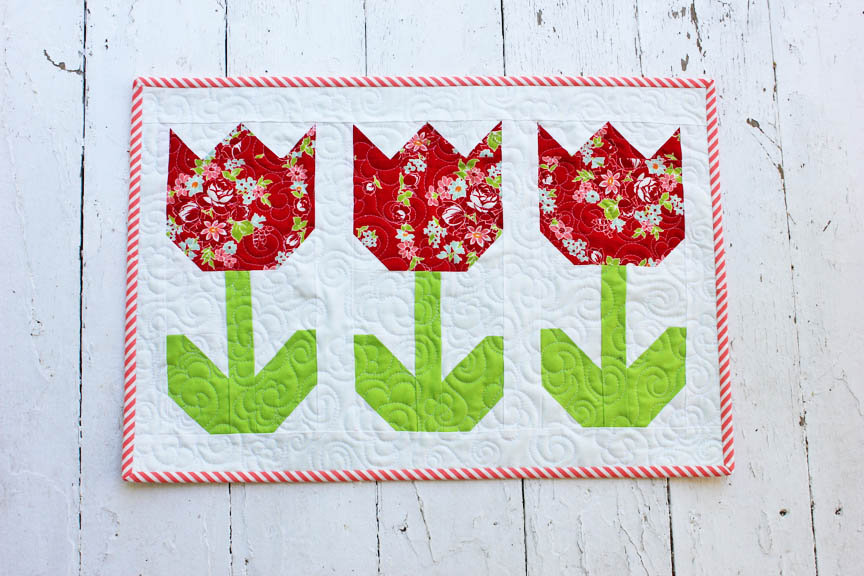
The Tulip Quilt – Quilt Pattern is inspired by the natural shape of tulip flowers, using geometric fabric pieces to represent petals, stems, and sometimes leaves. These elements are arranged into repeating blocks that create a cohesive floral design across the quilt.
One of the defining features of the Tulip Quilt – Quilt Pattern is its simplicity of form combined with strong visual impact. The tulip shape is easy to recognize, which makes the quilt visually engaging even from a distance.
This pattern is often constructed using traditional piecing methods, making it accessible to quilters who are still developing their technical skills. Straight seams and basic shapes are commonly used.
Despite its simplicity, the Tulip Quilt – Quilt Pattern allows for artistic expression through color placement, fabric texture, and block arrangement.
Many variations exist, ranging from minimalist tulip silhouettes to more detailed designs with layered petals. This flexibility makes the pattern suitable for many quilting preferences.
Understanding the structure of the Tulip Quilt – Quilt Pattern helps quilters plan their project more effectively and achieve consistent, professional-looking results.
Fabric Choice and Color Strategy
Fabric selection plays a crucial role in bringing the Tulip Quilt – Quilt Pattern to life. Since tulips are naturally associated with vibrant colors, many quilters choose bold and cheerful fabrics.
Solid fabrics are often preferred for the tulip shapes because they clearly define the floral design. Background fabrics, on the other hand, can be neutral or softly patterned.
Color contrast is essential in the Tulip Quilt – Quilt Pattern. High contrast between the tulips and the background ensures that the floral motifs stand out clearly.
Some quilters opt for pastel tones to create a soft and calming quilt, while others use bright reds, yellows, and pinks to reflect real tulip fields.
Fabric texture also matters. Cotton fabrics are the most common choice because they are easy to work with and hold their shape well.
Thoughtful fabric and color planning enhances the overall harmony of the Tulip Quilt – Quilt Pattern and elevates the finished piece.
Construction Techniques and Block Assembly
The construction of the Tulip Quilt – Quilt Pattern typically begins with cutting precise shapes for the petals and stems. Accuracy at this stage is essential for clean lines and consistent blocks.
Most tulip quilt blocks are assembled using straight seams, which makes the process less intimidating for beginners. This simplicity allows quilters to focus on alignment and consistency.
Chain piecing is often used to speed up the process and maintain uniformity across multiple blocks in the Tulip Quilt – Quilt Pattern.
Pressing seams correctly is another important step. Pressing toward darker fabrics helps reduce shadowing and keeps the quilt top looking neat.
As blocks are completed, they are arranged to create a balanced layout. This stage allows quilters to experiment with spacing and orientation.
Careful block assembly ensures that the Tulip Quilt – Quilt Pattern remains visually cohesive and structurally sound.
Creative Variations and Personalization
One of the most enjoyable aspects of the Tulip Quilt – Quilt Pattern is its adaptability. Quilters can easily modify the design to suit their creative vision.
Altering the size of the tulip blocks can change the overall feel of the quilt. Larger blocks create a bold, modern look, while smaller blocks offer a delicate, detailed appearance.
Background spacing can also be adjusted. Adding negative space gives the Tulip Quilt – Quilt Pattern a contemporary aesthetic.
Some quilters incorporate appliqué techniques to add texture and dimension to the tulips. This approach creates a more tactile and artistic quilt.
Seasonal variations are another popular option. Spring-themed colors are common, but autumn or winter palettes can give the tulip design a unique twist.
These creative choices allow the Tulip Quilt – Quilt Pattern to remain fresh and versatile across different projects.
Is the Tulip Quilt – Quilt Pattern suitable for beginners?
Yes, the pattern typically uses simple shapes and straight seams, making it beginner-friendly while still visually appealing.
What fabrics work best for this quilt pattern?
Cotton fabrics are ideal because they are easy to handle, durable, and maintain sharp edges.
Can I customize the colors of the tulips?
Absolutely. The Tulip Quilt – Quilt Pattern is highly adaptable, allowing for endless color combinations.
How long does it take to complete a tulip quilt?
The time depends on quilt size and complexity, but most projects can be completed at a comfortable pace with proper planning.
Is this pattern suitable for modern quilting styles?
Yes, the use of negative space and bold color choices makes it well-suited for modern designs.
Can I use scraps for this pattern?
Scraps can be used effectively, especially for tulip petals, as long as color contrast is maintained.
The Tulip Quilt – Quilt Pattern is a beautiful blend of simplicity, symbolism, and creative freedom. Throughout this article, you learned about its structure, fabric choices, construction methods, and customization options.
By understanding each step and applying thoughtful design choices, you can confidently create a quilt that reflects both craftsmanship and personal style. The Tulip Quilt – Quilt Pattern remains a timeless option for quilters who value elegance, clarity, and creative expression in their work.