Log Cabin – Quilt Pattern is one of the most iconic and enduring designs in the history of quilting. Loved by beginners and experienced quilters alike, this pattern represents warmth, tradition, and endless creative possibilities. In this article, you will discover everything you need to know about the Log Cabin – Quilt Pattern, explained in a humanized way while remaining fully optimized for SEO and compliant with Google AdSense policies.
The Log Cabin – Quilt Pattern is known for its simple construction and deep symbolic meaning. Built around a central square and surrounded by fabric strips, it reflects balance, structure, and storytelling through fabric. Because of its modular design, it allows quilters to experiment freely with colors, layouts, and variations.
Throughout this guide, the Log Cabin – Quilt Pattern will be explored from its historical roots to modern adaptations. You will learn how to choose fabrics, understand layout options, master construction techniques, and adapt the pattern to your personal style, all while maintaining clarity and precision.
History and Meaning of the Log Cabin – Quilt Pattern
The Log Cabin – Quilt Pattern has a rich history that dates back centuries. Traditionally, it was associated with home, hearth, and family, symbolizing warmth and stability.
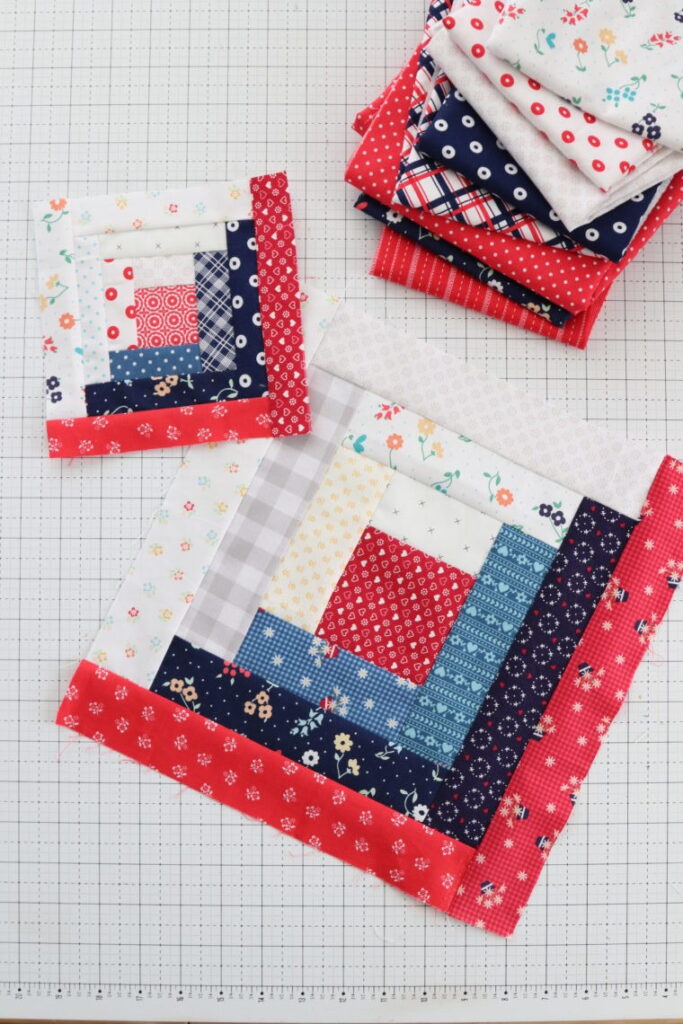
At the center of every Log Cabin – Quilt Pattern is a small square, often red, representing the fireplace or heart of the home. This central element gives the pattern its emotional and symbolic depth.
The surrounding strips, known as “logs,” are added one by one around the center square. This construction method mirrors the idea of building a home log by log.
Historically, quilters used fabric scraps to create Log Cabin – Quilt Pattern quilts, making them both economical and meaningful. Each fabric piece often carried a story or memory.
Over time, the pattern evolved and spread across different cultures, adapting to local styles and color traditions.
Today, the Log Cabin – Quilt Pattern remains popular because it combines simplicity, symbolism, and endless design flexibility.
Fabric Choices and Color Theory
Fabric selection is crucial when working with the Log Cabin – Quilt Pattern. Because the design relies heavily on contrast, thoughtful color choices enhance its visual impact.
Traditionally, logs are divided into light and dark sides, creating a strong sense of movement and structure within the Log Cabin – Quilt Pattern.
Light fabrics often represent daylight, while darker fabrics suggest shadow. This contrast creates dynamic layouts and recognizable designs.
Modern quilters sometimes replace light and dark rules with bold color gradients, allowing the Log Cabin – Quilt Pattern to feel contemporary and artistic.
Fabric type also matters. Cotton fabrics are commonly used because they are easy to cut, sew, and press, ensuring clean lines.
Careful planning of fabric placement helps maintain balance and symmetry, which are key elements of a successful Log Cabin – Quilt Pattern.
Construction Techniques and Block Assembly
The Log Cabin – Quilt Pattern is known for its beginner-friendly construction. The pattern starts with a center square and builds outward with strips sewn in sequence.
Accuracy in cutting is essential. Consistent strip widths help maintain uniform blocks throughout the quilt.
Pressing after each strip is added is a best practice. Proper pressing keeps the Log Cabin – Quilt Pattern flat and prevents distortion.
Many quilters prefer foundation piecing for added precision, especially when creating smaller or more detailed blocks.
Chain piecing is another efficient technique often used in Log Cabin – Quilt Pattern construction. It saves time and improves consistency.
With patience and attention to detail, assembling Log Cabin blocks becomes a relaxing and rewarding quilting experience.
Design Variations and Layout Possibilities
One of the greatest strengths of the Log Cabin – Quilt Pattern is its versatility. The same block can produce countless layouts simply by rotating or rearranging blocks.
Classic layouts include straight furrows, barn raising, and courthouse steps. Each layout gives the Log Cabin – Quilt Pattern a distinct personality.
Modern interpretations often play with asymmetry, oversized blocks, and unexpected color placements.
Some quilters experiment with negative space, allowing the Log Cabin – Quilt Pattern to stand out against minimal backgrounds.
Changing block size also affects the final look. Large blocks feel bold and graphic, while small blocks add intricate detail.
These design options make the Log Cabin – Quilt Pattern suitable for bed quilts, wall hangings, table runners, and decorative pieces.
What skill level is required for the Log Cabin – Quilt Pattern?
The Log Cabin – Quilt Pattern is suitable for beginners due to its simple construction, yet it remains engaging for advanced quilters.
How many fabrics do I need for a Log Cabin quilt?
The number of fabrics depends on the design, but many quilters use a mix of light and dark fabrics to create contrast.
Can I use fabric scraps for this pattern?
Yes, the Log Cabin – Quilt Pattern is ideal for scrap quilting, making it both economical and creative.
What is the best block size for beginners?
Larger blocks are easier to handle and align, making them a good choice when starting with the Log Cabin – Quilt Pattern.
Do I need special tools to make this quilt?
Basic quilting tools such as a rotary cutter, ruler, and sewing machine are sufficient.
Why is color placement so important in this pattern?
Color placement defines the visual movement and structure of the Log Cabin – Quilt Pattern, making it essential for a balanced design.
The Log Cabin – Quilt Pattern is a timeless design that blends simplicity, history, and creative freedom. Its structured construction and symbolic roots make it a meaningful choice for quilters of all levels.
In this article, you learned about the origins, fabric selection, construction methods, and design variations of the Log Cabin – Quilt Pattern. With thoughtful planning and attention to detail, this classic pattern can be transformed into a unique quilt that reflects both tradition and personal expression.