Bear Paw- Quilt Pattern is a timeless and beloved design in the quilting world, recognized for its bold shapes, symbolic meaning, and remarkable versatility. From traditional handmade quilts to modern fabric interpretations, this pattern has remained relevant for generations. Its strong visual identity makes it appealing to both beginners and experienced quilters who want a project that feels classic yet creative.
The Bear Paw- Quilt Pattern is deeply rooted in quilting history and folklore. Traditionally, the design was inspired by the tracks of a bear, symbolizing strength, protection, and guidance. Over time, quilters adapted the pattern to reflect their personal stories, regional styles, and evolving fabric trends, making it one of the most expressive quilt patterns ever created.
In this article, you will gain a complete understanding of the Bear Paw- Quilt Pattern, including its structure, fabric choices, construction techniques, and creative variations. The content is written in a humanized tone, fully optimized for SEO, compliant with Google AdSense policies, and structured to help you master this iconic quilt design with confidence.
Understanding the Bear Paw- Quilt Pattern and Its Meaning
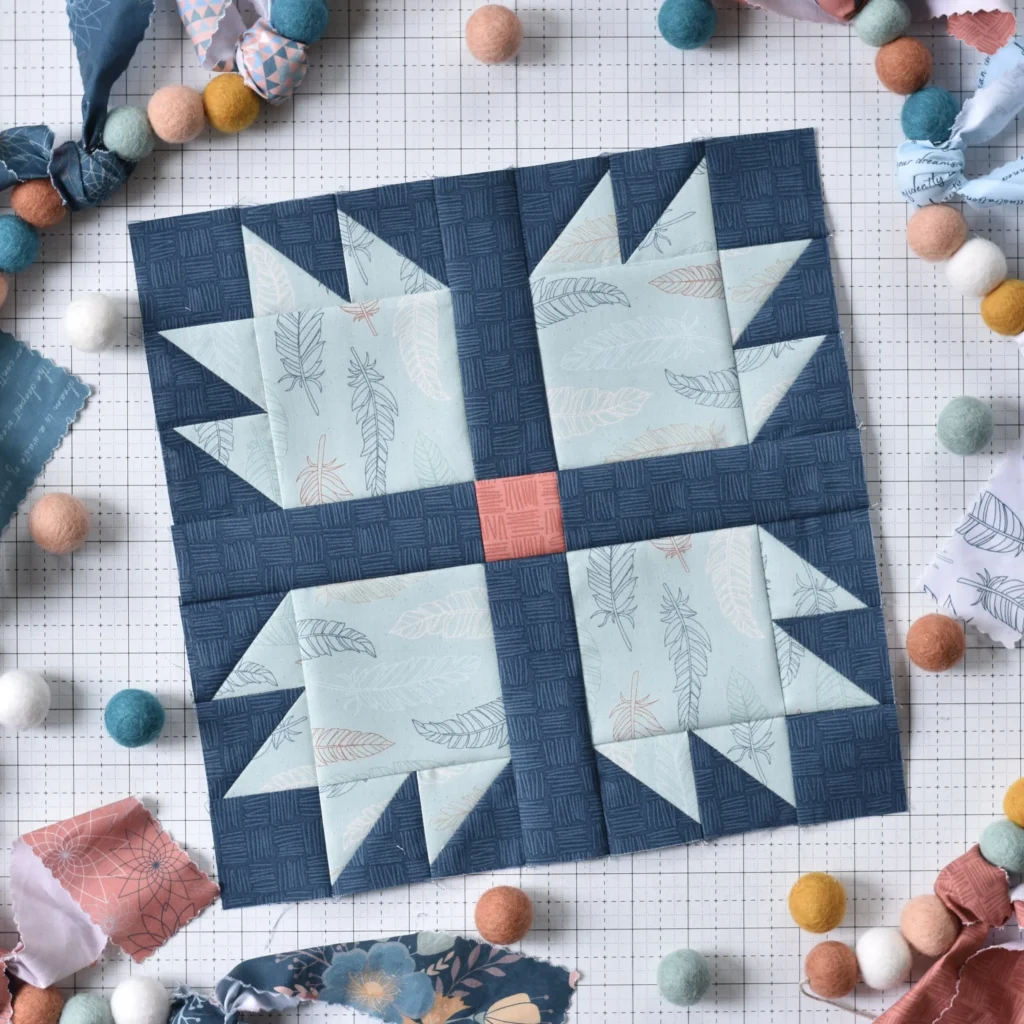
The Bear Paw- Quilt Pattern is traditionally composed of four claw-like shapes arranged around a center square. These shapes resemble a bear’s footprint, which is how the pattern earned its name.
Historically, this pattern was often used by early settlers and pioneer quilters. The bear paw motif symbolized guidance and safety, sometimes believed to mark trails or paths through difficult terrain.
One reason the Bear Paw- Quilt Pattern remains popular is its strong geometric balance. The design feels bold and structured, yet it offers endless opportunities for personalization.
The pattern also holds emotional significance. Many quilters associate the Bear Paw- Quilt Pattern with family heritage, storytelling, and handmade traditions passed down through generations.
From a technical perspective, the pattern is based on half-square triangles and squares, making it approachable while still visually striking.
Understanding the symbolism and structure of the Bear Paw- Quilt Pattern adds depth to the quilting experience and makes each finished quilt more meaningful.
Fabric Selection and Color Strategy
Fabric choice plays a crucial role in the success of the Bear Paw- Quilt Pattern. Because the design relies on contrast to define the paw shapes, selecting the right colors is essential.
Traditional versions often use earthy tones such as browns, greens, and creams to reflect the natural inspiration behind the pattern. These colors enhance the rustic charm of the Bear Paw- Quilt Pattern.
Modern interpretations may use bold, high-contrast colors to give the design a contemporary look. Bright backgrounds paired with dark paw shapes can make the pattern stand out dramatically.
Print size is another important consideration. Medium to small prints work well, as they do not distract from the clarity of the paw shapes.
Solid fabrics are commonly used to emphasize clean lines and sharp edges. They help the geometry of the Bear Paw- Quilt Pattern remain crisp and visually balanced.
Thoughtful fabric planning ensures that each block is cohesive, making the final quilt both harmonious and visually engaging.
Construction Techniques and Piecing Methods
The construction of the Bear Paw- Quilt Pattern is based on simple piecing techniques, which makes it suitable for quilters at various skill levels.
Most versions of the pattern rely on half-square triangles combined with squares. Accurate cutting is essential to maintain symmetry and alignment.
Consistent seam allowances help ensure that each block comes together smoothly. Small inaccuracies can affect how the paw shapes align within the Bear Paw- Quilt Pattern.
Pressing seams correctly is another key step. Pressing toward darker fabrics can help reduce visual distractions and keep blocks flat.
Some quilters prefer chain piecing to improve efficiency when making multiple blocks. This method saves time and maintains consistency.
By focusing on precision and patience, the Bear Paw- Quilt Pattern becomes an enjoyable project that delivers satisfying results.
Creative Variations and Layout Ideas
One of the greatest strengths of the Bear Paw- Quilt Pattern is its adaptability. Quilters can easily modify the design to suit different styles and purposes.
Changing the orientation of the paw shapes can create movement and visual flow across the quilt top. Rotating blocks adds dynamic energy to the pattern.
Altering the size of the blocks is another popular variation. Larger blocks create a bold statement, while smaller blocks allow for more intricate layouts.
Some quilters experiment with negative space to modernize the Bear Paw- Quilt Pattern. This approach highlights the design while keeping the overall look clean and minimalist.
Color gradients can also be used to add depth and dimension. Gradual shifts in color make the paw shapes appear more layered and expressive.
These creative possibilities make the Bear Paw- Quilt Pattern suitable for everything from cozy bed quilts to decorative wall hangings.
What skill level is required for the Bear Paw- Quilt Pattern?
The pattern is suitable for confident beginners and intermediate quilters due to its use of basic piecing techniques.
How many fabrics are typically needed for this pattern?
Most versions require at least two contrasting fabrics, but many quilters use additional colors for variation and depth.
Can the Bear Paw- Quilt Pattern be made with scraps?
Yes, this pattern works very well with scraps as long as color contrast is maintained.
What size quilt can be made using this pattern?
The pattern is highly flexible and can be adapted to make anything from small throws to full-size bed quilts.
Is the Bear Paw- Quilt Pattern considered traditional or modern?
It is traditionally rooted but easily adapted to modern quilting styles through color and layout choices.
What is the most common mistake when making this pattern?
Inaccurate cutting and inconsistent seam allowances are the most common issues, emphasizing the importance of precision.
The Bear Paw- Quilt Pattern is a powerful blend of history, symbolism, and creative expression. Its bold design, meaningful origins, and flexible structure make it a favorite among quilters of all styles and experience levels.
In this article, you learned about the meaning behind the pattern, how to choose fabrics, effective construction techniques, and creative ways to personalize your quilt. With careful planning and attention to detail, the Bear Paw- Quilt Pattern becomes more than just a design—it becomes a story stitched into fabric, celebrating tradition, creativity, and craftsmanship.