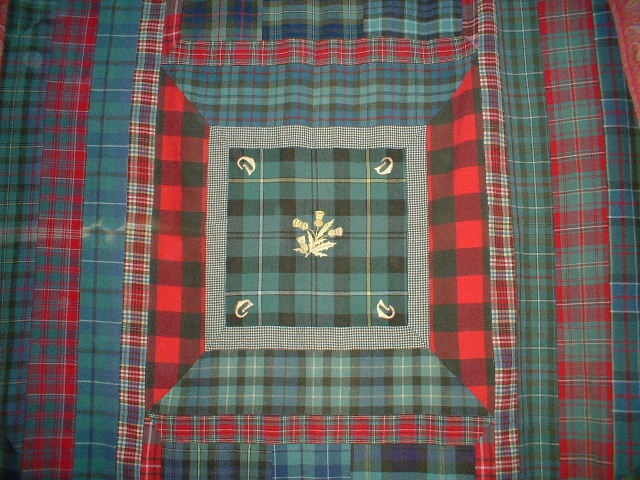
Tartan Quilt – Quilt Pattern is a timeless and versatile design that brings tradition, structure, and warmth into the world of quilting. Inspired by classic tartan and plaid textiles, this pattern transforms woven symmetry into fabric art, making it a favorite for quilters who appreciate both history and visual balance. In this article, you will discover how the Tartan Quilt – Quilt Pattern works, why it remains so popular, and how you can successfully create your own version with confidence.
The Tartan Quilt – Quilt Pattern is known for its clean lines, repeating stripes, and layered color arrangements. While it may look complex at first glance, the pattern is actually based on logical repetition and careful planning. This makes it accessible for beginners and endlessly customizable for experienced quilters.
Throughout this guide, the Tartan Quilt – Quilt Pattern will be explored in depth using clear explanations, humanized language, and SEO-friendly structure. You will learn about its origins, fabric choices, construction techniques, and creative possibilities, all while staying fully aligned with Google AdSense content policies.
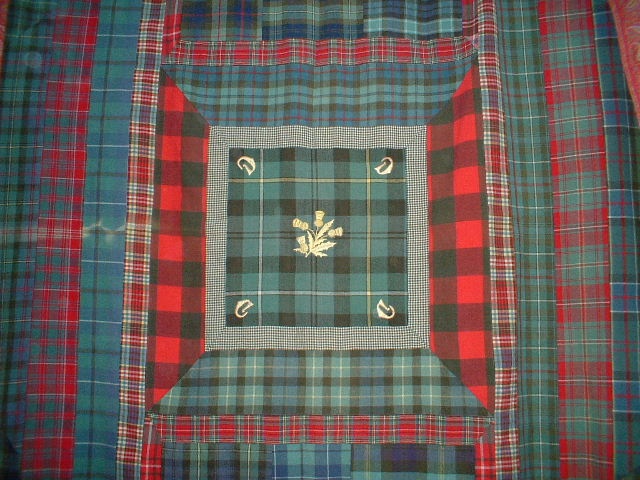
Understanding the Tartan Quilt – Quilt Pattern Structure
The Tartan Quilt – Quilt Pattern is inspired by traditional tartan fabrics, which originated as woven textiles characterized by intersecting horizontal and vertical stripes. In quilting, this woven look is recreated through piecing rather than weaving.
At its core, the Tartan Quilt – Quilt Pattern relies on repeated strip sets. These strips are sewn together in specific sequences to mimic the over-and-under appearance of tartan cloth.
One of the most appealing aspects of this pattern is its sense of order. The symmetry and repetition create a calming visual rhythm that works well in both modern and traditional quilt designs.
The pattern can be scaled easily. Narrow strips produce a detailed and refined look, while wider strips create bold, graphic quilts that stand out.
Because the design is grid-based, accuracy in cutting and piecing is essential. Straight seams and consistent measurements are key to maintaining alignment.
Understanding the structural logic of the Tartan Quilt – Quilt Pattern helps quilters plan their layout more effectively and avoid common mistakes during assembly.
Fabric Selection and Color Theory for Tartan Quilts
Fabric choice plays a crucial role in the success of a Tartan Quilt – Quilt Pattern. Since the design depends heavily on color interaction, thoughtful planning is essential.
Traditional tartan quilts often use earthy tones such as reds, greens, blues, and neutrals. These colors echo the historical roots of tartan textiles.
Modern interpretations of the Tartan Quilt – Quilt Pattern may use unexpected color palettes, including pastels, monochromes, or high-contrast combinations.
Solids and subtle textures tend to work best, as busy prints can disrupt the clean lines of the pattern. The goal is clarity, not visual clutter.
Contrast is especially important. Each stripe should be distinguishable from the others to preserve the layered tartan effect.
By carefully balancing color, value, and saturation, quilters can create a Tartan Quilt – Quilt Pattern that feels cohesive, intentional, and visually striking.
Construction Techniques and Piecing Methods
Constructing a Tartan Quilt – Quilt Pattern begins with precise cutting. Strips must be cut accurately to ensure the final grid aligns properly.
Strip piecing is the most common method used for this pattern. Sewing long strips together first saves time and increases consistency.
After strip sets are assembled, they are cross-cut and reassembled to form the tartan grid. This step requires careful attention to orientation.
Pressing seams consistently helps reduce bulk at intersections. Many quilters choose to press seams open to achieve a flatter finish.
Because the Tartan Quilt – Quilt Pattern relies on straight seams, it is an excellent project for improving fundamental quilting skills.
With patience and careful assembly, the construction process becomes smooth and enjoyable, resulting in a quilt that looks complex but is built from simple steps.
Creative Variations and Design Flexibility
One of the strengths of the Tartan Quilt – Quilt Pattern is its adaptability. Quilters can easily modify the design to suit their personal style.
Changing strip widths is a simple way to alter the overall look. Irregular strip sizes create a more organic and modern appearance.
Color placement can also be adjusted to emphasize certain areas of the quilt, drawing the eye across the design.
Some quilters add sashing or borders to frame the tartan design, enhancing its structure and elegance.
Quilting motifs such as straight-line quilting or echo stitching complement the grid-based nature of the Tartan Quilt – Quilt Pattern.
These creative choices allow each quilt to feel unique while still honoring the classic tartan inspiration.
What skill level is required for the Tartan Quilt – Quilt Pattern?
The pattern is suitable for beginners with basic quilting skills and also offers creative depth for experienced quilters.
How long does it take to make a tartan quilt?
The time varies depending on size and complexity, but strip piecing helps speed up the process.
Can I use scrap fabric for this pattern?
Yes, scraps work well as long as they are organized by color and value.
Is the Tartan Quilt – Quilt Pattern good for modern quilts?
Absolutely. Modern color palettes and bold contrasts make this pattern very contemporary.
What quilting style works best with this pattern?
Straight-line quilting complements the grid structure and enhances the tartan effect.
Do I need special tools to make this quilt?
Standard quilting tools such as a rotary cutter, ruler, and sewing machine are suffici
The Tartan Quilt – Quilt Pattern is a perfect blend of tradition, structure, and creative freedom. Its grid-based design, inspired by classic tartan textiles, offers both visual harmony and endless customization options.
In this article, you learned how the Tartan Quilt – Quilt Pattern is constructed, how to choose fabrics and colors effectively, and how to explore creative variations. With careful planning and attention to detail, this pattern becomes an enjoyable and rewarding quilting project that results in a timeless and beautifully balanced quilt.