Dog Collar leather pattern is more than a crafting phrase; it represents a creative gateway into designing durable, stylish, and personalized accessories for pets. When artisans and hobbyists search for the perfect dog collar leather pattern, they are often looking for guidance that balances functionality, safety, and visual appeal. Leather collars have remained popular for decades because they offer strength, longevity, and timeless beauty that synthetic materials often fail to match.
Creating a well-designed dog collar leather pattern requires understanding not only the materials involved but also the comfort and safety of the dog wearing it. A thoughtfully made leather collar can last for years while developing a rich patina that enhances its charm. This makes leather crafting both practical and rewarding for beginners and experienced makers alike.
In this comprehensive guide, we will explore the essentials of working with leather, how to create a strong and comfortable collar, and how to personalize your design while maintaining durability. You will also learn key insights into sizing, stitching, finishing, and maintaining your handmade leather dog collar so it remains safe and stylish for everyday use.
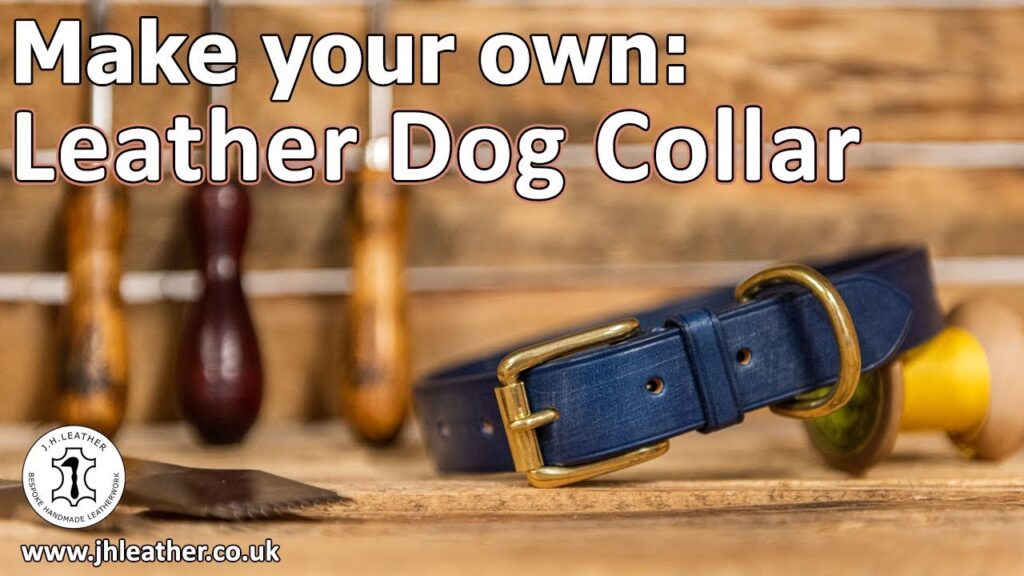
Understanding the Basics of a Dog Collar Leather Pattern
A strong dog collar leather pattern begins with selecting the right type of leather. Full-grain leather is often recommended because it offers superior durability and ages beautifully. Choosing quality material ensures the collar can withstand daily wear while remaining comfortable for the dog.
The width of the collar plays a significant role in comfort and safety. Larger dogs benefit from wider collars that distribute pressure evenly, while smaller dogs require narrower designs to prevent discomfort. Proper planning at this stage is essential for a balanced final product.
Measuring the dog’s neck accurately is another crucial step in creating an effective dog collar leather pattern. A collar that is too tight may cause irritation, while one that is too loose may slip off. Allowing space for two fingers between the collar and neck is a widely accepted standard.
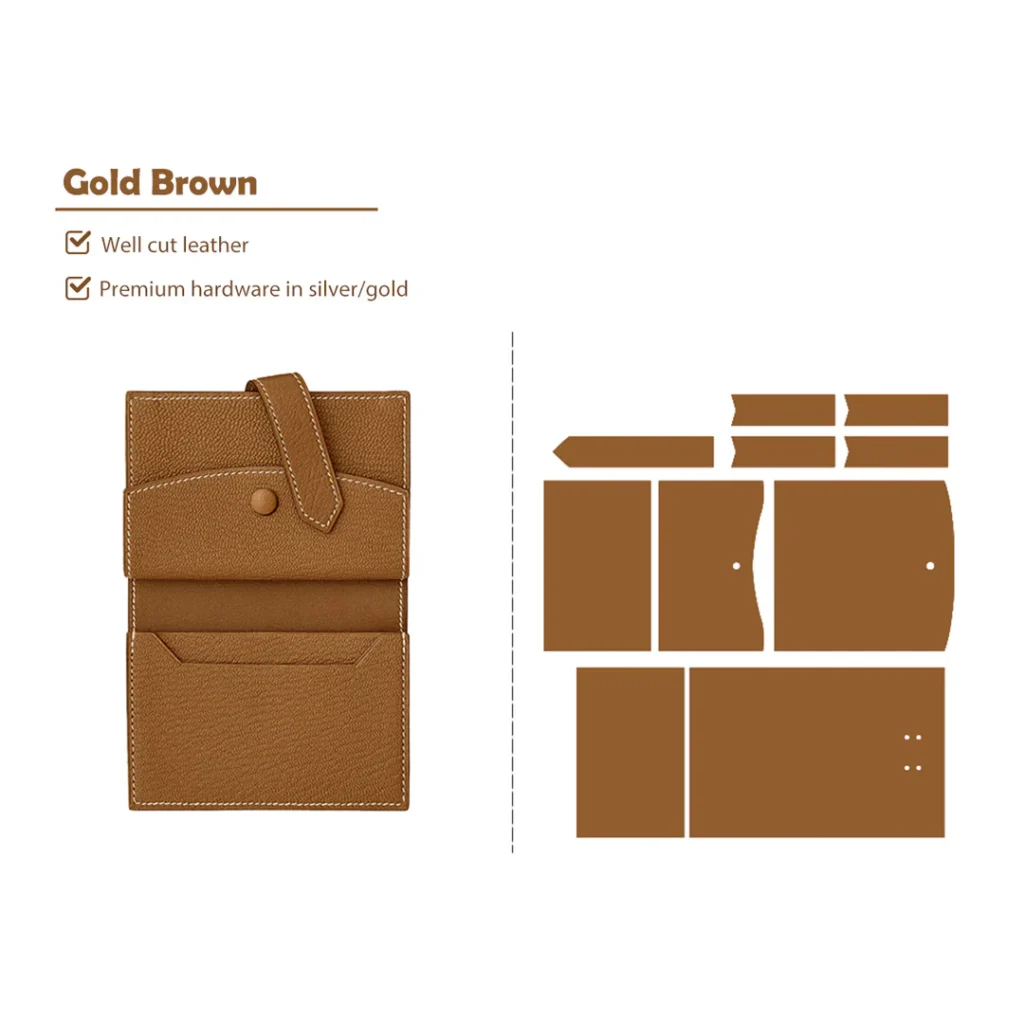
Designing a pattern template before cutting the leather helps reduce mistakes. Using cardboard or thick paper allows you to visualize the final shape and make adjustments before committing to the material. This step saves time and resources.
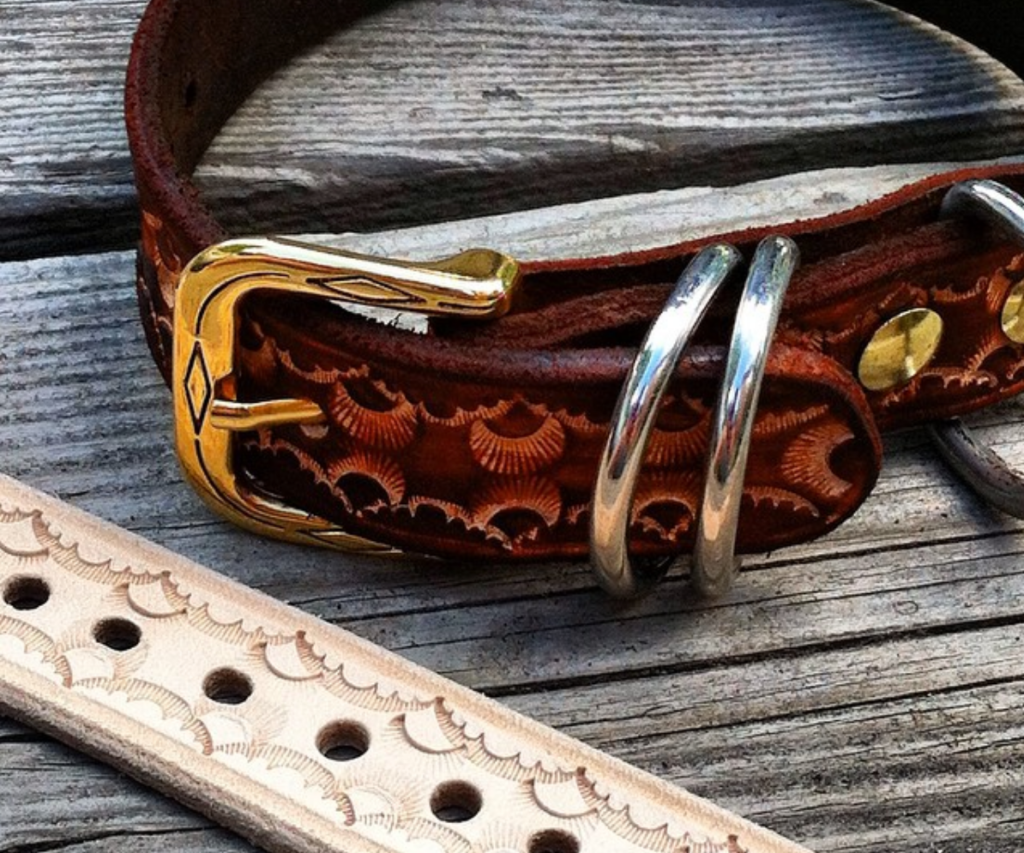
Hardware selection also influences the overall durability of the collar. Buckles, D-rings, and rivets should be made of rust-resistant metals like stainless steel or brass. These materials ensure long-lasting performance and maintain the collar’s appearance.
Understanding the purpose of the collar is equally important. Whether it’s for daily walks, training, or decorative use, the function should guide the design choices. This ensures the final collar meets both aesthetic and practical needs.
Tools and Materials Needed for Crafting a Dog Collar Leather Pattern
Crafting a dog collar leather pattern requires specific tools that enhance precision and efficiency. A sharp utility knife or rotary cutter ensures clean edges, which contribute to a professional finish. Dull tools can damage leather and lead to uneven cuts.
A sturdy cutting mat protects both your workspace and tools. This investment is particularly helpful for beginners who want to maintain accuracy while working on multiple projects. It also extends the lifespan of cutting blades.
Hole punches are essential for creating buckle holes and attachment points. Adjustable punches allow flexibility for different collar sizes and designs. Precision in hole placement improves the collar’s overall symmetry and functionality.
Thread choice plays a significant role in durability. Waxed thread is often preferred because it resists moisture and offers strong stitching. Choosing the right thread ensures that the collar can handle daily use without fraying.
Edge bevelers and burnishing tools enhance the collar’s comfort by smoothing rough edges. Dogs benefit from collars that do not irritate their skin, making finishing touches just as important as the main construction.
Leather conditioners and sealants protect the final product. These treatments maintain flexibility and prevent cracking over time. Proper finishing ensures your dog collar leather pattern remains attractive and durable for years.
Designing a Comfortable and Stylish Dog Collar Leather Pattern
Comfort should always be the top priority when designing a dog collar leather pattern. Rounded edges reduce friction against the dog’s fur and skin. This small adjustment significantly improves wearability.
Color selection adds personality to the collar. Natural tones like tan, brown, and black are classic choices, while dyed leather allows for creative expression. Choosing the right color can reflect both the dog’s personality and the owner’s style.
Personalization options such as embossing or engraving can elevate the collar’s uniqueness. Adding the dog’s name or decorative elements creates a custom piece that stands out. These details also enhance emotional value.
Layered leather designs can add strength while creating a visually appealing look. Combining different textures or shades provides depth and originality. This approach is especially popular among experienced crafters.
Stitching patterns contribute to both durability and aesthetics. Straight stitching offers a clean appearance, while decorative stitching adds character. The right choice depends on the desired style.
Balancing design with practicality ensures the collar remains functional. Avoid excessive decorations that may cause discomfort or interfere with leash attachments. A well-designed collar merges beauty with usability.
Maintenance and Care for Your Dog Collar Leather Pattern
Proper maintenance extends the lifespan of a dog collar leather pattern. Regular cleaning removes dirt and oils that can degrade leather over time. Using a damp cloth is usually sufficient for routine care.
Conditioning leather prevents dryness and cracking. Applying a leather conditioner every few months maintains flexibility and preserves the collar’s natural sheen. This step is especially important in dry climates.
Avoid prolonged exposure to water. While leather is durable, excessive moisture can weaken its structure. If the collar becomes wet, allow it to air dry naturally rather than using heat sources.
Inspect hardware regularly for signs of wear. Replacing worn buckles or rivets ensures continued safety. Routine checks help prevent accidents during walks.
Storage also affects longevity. Keeping the collar in a cool, dry place when not in use protects it from environmental damage. Proper storage habits maintain the collar’s appearance.
Consistent care ensures that your handmade collar remains both functional and stylish. A well-maintained leather collar can serve a dog comfortably for many years.
What type of leather is best for a dog collar
Full-grain leather is considered the best choice because it offers durability, strength, and a natural appearance that improves over time
How thick should a leather dog collar be
Most leather collars range between 8 to 10 ounces in thickness, providing the right balance of strength and flexibility
Can beginners create a dog collar leather pattern
Yes beginners can start with simple designs and gradually add advanced features as they gain confidence and skills
How do I measure my dog’s neck for a collar
Use a flexible tape measure and allow space for two fingers between the collar and the dog’s neck for comfort
Is leather safe for dogs with sensitive skin
High-quality leather is generally safe, especially when edges are smooth and properly finished
How long does a leather dog collar last
With proper care, a leather dog collar can last several years while maintaining its appearance and strength
Can I customize my leather dog collar
Yes leather allows for embossing, engraving, and dyeing, making customization easy and creative
Creating a dog collar leather pattern is a rewarding process that combines craftsmanship, creativity, and practicality. From selecting quality materials to mastering stitching techniques, each step contributes to a durable and stylish final product. Understanding the fundamentals ensures that the collar not only looks appealing but also provides comfort and safety for the dog.
By following proper design principles and maintenance practices, anyone can craft a leather collar that stands the test of time. Whether you are a beginner or an experienced artisan, investing effort into a well-made collar offers both personal satisfaction and a valuable accessory for your pet.