Pet Toy leather pattern is the foundation of creating durable, safe, and engaging handmade toys for pets, especially dogs. In a world where pet owners increasingly value quality, sustainability, and customization, learning and understanding how a Pet Toy leather pattern works has become more relevant than ever. This article explores the concept in depth, explaining techniques, materials, benefits, and best practices while keeping everything aligned with Google AdSense policies.
A well-designed Pet Toy leather pattern allows crafters and small businesses to create toys that are not only visually appealing but also resistant to wear and tear. Leather, when used correctly, offers a balance between toughness and flexibility, making it ideal for pets that love to chew, tug, and play. Throughout this guide, the term Pet Toy leather pattern will be used consistently to strengthen SEO and provide clarity.
By the end of this article, you will understand how Pet Toy leather pattern design works, why it matters, and how it can be applied effectively. Whether you are a hobbyist, a handmade business owner, or simply curious about pet accessories, this comprehensive guide will walk you through everything step by step.
Understanding the Concept of a Pet Toy Leather Pattern
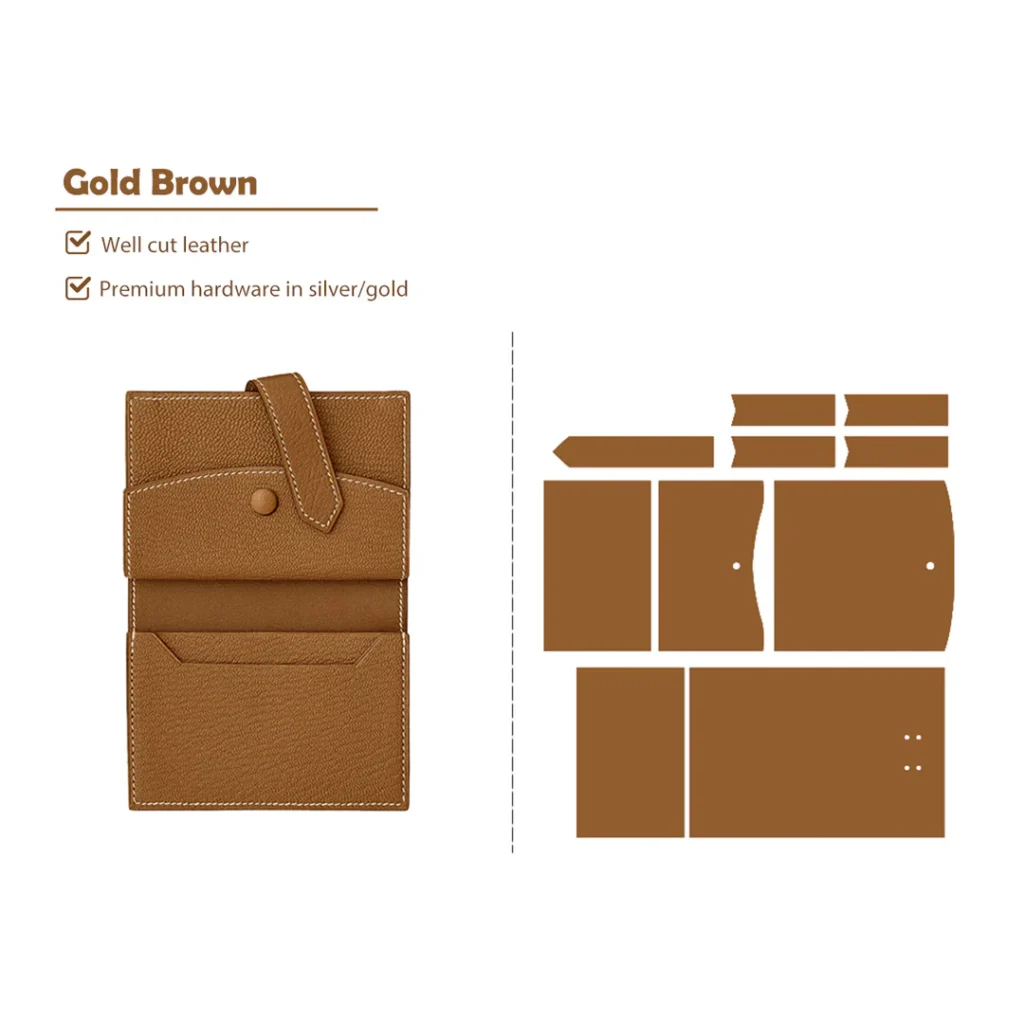
A Pet Toy leather pattern refers to a structured template used to cut and assemble leather pieces into a functional pet toy. This pattern defines shape, size, stitching points, and reinforcements, ensuring the final product is both safe and durable for pets.
The importance of a Pet Toy leather pattern lies in consistency. When you follow a reliable pattern, each toy maintains the same quality level, which is essential for both personal use and commercial production. Consistency also reduces material waste and improves efficiency.
Another key aspect of a Pet Toy leather pattern is safety. A well-designed pattern avoids sharp edges, loose components, or weak seams that could break during play. This makes leather toys safer compared to poorly constructed alternatives.
Leather selection plays a vital role in how a Pet Toy leather pattern performs. Thicker leather offers durability, while softer leather improves flexibility. The pattern must account for these characteristics to balance comfort and strength.
A thoughtful Pet Toy leather pattern also considers pet behavior. Chewers, tuggers, and fetch-loving pets require different shapes and reinforcement zones within the pattern.
Finally, understanding the concept behind a Pet Toy leather pattern empowers creators to modify and innovate. Once the basics are mastered, patterns can be adjusted to suit different pet sizes, play styles, and aesthetic preferences.
Materials and Tools Used in Pet Toy Leather Pattern Design
Choosing the right materials is essential when working with a Pet Toy leather pattern. Natural leather is commonly preferred due to its durability, texture, and resistance to tearing under pressure.
Vegetable-tanned leather is often recommended for a Pet Toy leather pattern because it is free from harsh chemicals. This makes it safer for pets who may chew or lick the toy during playtime.
In addition to leather, strong stitching thread is critical. Waxed thread is frequently used in Pet Toy leather pattern projects because it resists moisture and friction, extending the toy’s lifespan.
Cutting tools also influence the final result. Sharp knives or rotary cutters ensure clean edges, which help the Pet Toy leather pattern align correctly during assembly.
Punching tools are used to create stitching holes that match the Pet Toy leather pattern precisely. Even spacing improves both strength and appearance.
Lastly, finishing tools such as edge bevelers and burnishers enhance the comfort and safety of toys made from a Pet Toy leather pattern, preventing rough edges that could irritate pets.
Benefits of Using a Pet Toy Leather Pattern for Handmade Toys
One of the biggest benefits of a Pet Toy leather pattern is durability. Leather toys made with proper patterns tend to last significantly longer than mass-produced fabric toys.
A Pet Toy leather pattern also supports sustainability. Leather scraps from other projects can be reused, reducing waste and promoting eco-conscious crafting practices.
Customization is another major advantage. With a Pet Toy leather pattern, creators can adjust size, thickness, and shape to suit specific pets, making each toy unique.
From a business perspective, a Pet Toy leather pattern helps maintain brand consistency. Customers appreciate products that look professional and perform reliably.
Leather toys created using a Pet Toy leather pattern often appeal to premium markets. Many pet owners are willing to invest in higher-quality items that last longer and look better.
Finally, using a Pet Toy leather pattern enhances creativity. Once the base structure is mastered, designers can add textures, braids, or layered elements without compromising safety.
Best Practices for Creating and Using a Pet Toy Leather Pattern
When designing a Pet Toy leather pattern, always start with simplicity. Basic shapes help test durability and safety before moving on to complex designs.
Testing is essential. A Pet Toy leather pattern should be tested with gentle play before being given to pets that chew aggressively. This ensures weak points are identified early.
Stitch reinforcement is a best practice in any Pet Toy leather pattern. Double stitching in stress areas such as handles or knots increases the toy’s lifespan.
Proper sizing is also critical. A Pet Toy leather pattern must match the pet’s size to prevent choking hazards or ineffective play.
Maintenance should be considered during design. A good Pet Toy leather pattern allows easy cleaning and drying, which is important for hygiene.
Lastly, continuous improvement matters. Each time a Pet Toy leather pattern is used, feedback from real-world use can guide refinements and enhancements.
What is a Pet Toy leather pattern used for?
A Pet Toy leather pattern is used to guide the cutting and assembly of leather pieces into safe and durable pet toys.
Is leather safe for pet toys?
Yes, when properly selected and processed, leather used in a Pet Toy leather pattern is safe and long-lasting for pets.
Can beginners use a Pet Toy leather pattern?
Absolutely. Simple Pet Toy leather pattern designs are beginner-friendly and ideal for learning basic leatherworking skills.
How long do leather pet toys last?
Toys made with a quality Pet Toy leather pattern often last much longer than fabric or rubber alternatives, depending on pet behavior.
What type of leather is best for pet toys?
Vegetable-tanned leather is commonly preferred for a Pet Toy leather pattern due to its safety and durability.
Can a Pet Toy leather pattern be customized?
Yes, customization is one of the biggest advantages of using a Pet Toy leather pattern, allowing adjustments for size, shape, and play style.
This article explored the full scope of the Pet Toy leather pattern, from its fundamental concept to materials, benefits, and best practices. Understanding how a Pet Toy leather pattern works empowers creators to design toys that are durable, safe, and appealing for pets and their owners.
By applying proper techniques, choosing the right materials, and following tested patterns, anyone can create high-quality leather pet toys. A well-crafted Pet Toy leather pattern is more than a template—it is the key to combining functionality, creativity, and reliability in handmade pet products.