Hammer Holder leather pattern is a practical and creative solution for anyone who works with tools and values organization, durability, and craftsmanship. From professional carpenters to DIY enthusiasts, a Hammer Holder leather pattern allows you to create a functional accessory that keeps your hammer secure, accessible, and stylish at the same time. This type of pattern blends utility with traditional leatherworking techniques, making it a popular choice among makers who appreciate handmade gear.
When you choose a Hammer Holder leather pattern, you are not just making a tool holder—you are building a long-lasting piece that reflects skill, precision, and attention to detail. Leather hammer holders are known for their resistance, comfort, and timeless look, which makes them suitable for workshops, construction sites, and even home use. This article will guide you through the concept, benefits, materials, construction process, and customization options of a Hammer Holder leather pattern in a clear and practical way.
Throughout this guide, the term Hammer Holder leather pattern will be explored in depth, helping you understand why it is so valuable and how you can apply it effectively. Whether you are new to leathercraft or already experienced, this content is designed to be informative, humanized, and optimized for SEO while fully respecting Google AdSense policies.
Understanding the Hammer Holder Leather Pattern
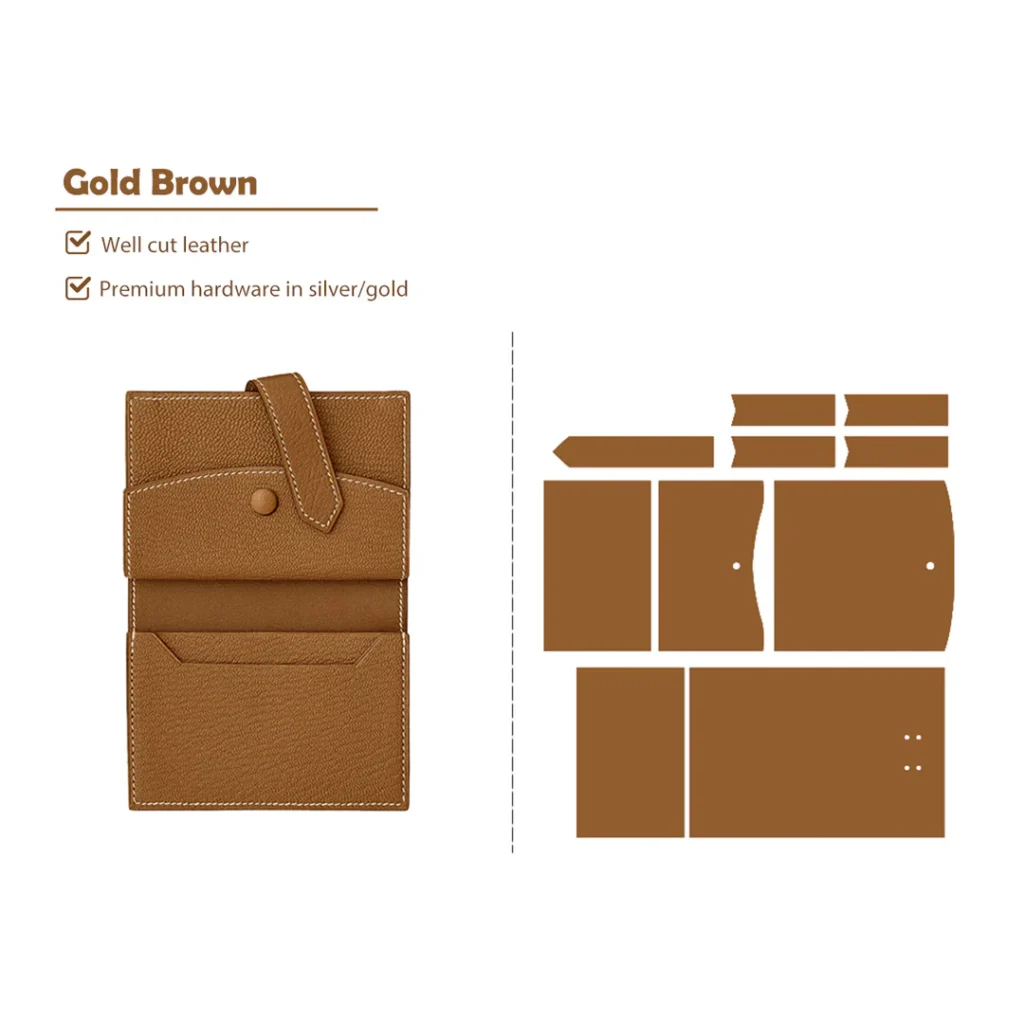
A Hammer Holder leather pattern is essentially a template or design used to cut and assemble leather into a secure holder for a hammer. This pattern defines the shape, size, and stitching points, ensuring the hammer fits snugly while remaining easy to remove during work. The pattern is crucial because it determines both functionality and comfort.
One important aspect of a Hammer Holder leather pattern is ergonomics. The holder must balance firmness and flexibility so the hammer does not fall out, yet can be drawn smoothly with one hand. A well-designed pattern considers the weight of the hammer and the movement of the user during work.
Another key factor is durability. Leather patterns for hammer holders are designed to distribute stress evenly across seams and rivets. This prevents premature wear and tear, especially in areas that receive constant friction from the hammer handle.
The Hammer Holder leather pattern also plays a role in safety. By keeping the hammer securely attached to a belt or tool apron, it reduces the risk of dropping tools or bending down repeatedly, which can cause fatigue or injury over time.
From a craftsmanship perspective, this pattern encourages precision. Each cut and stitch must align properly, which helps leatherworkers improve their skills while producing a useful item. Over time, mastering such patterns builds confidence and consistency.
Finally, understanding a Hammer Holder leather pattern means recognizing its adaptability. Patterns can be adjusted for different hammer sizes, belt widths, or personal preferences, making them highly versatile for various users.
Materials and Tools Used in a Hammer Holder Leather Pattern
Choosing the right materials is essential when working with a Hammer Holder leather pattern. Leather thickness is one of the most important considerations. Typically, medium to thick vegetable-tanned leather is preferred because it provides strength while remaining workable.
The quality of leather directly impacts the final product. High-quality leather ensures that the hammer holder maintains its shape over time and resists cracking or stretching. This is why many craftsmen prioritize premium leather when following a Hammer Holder leather pattern.
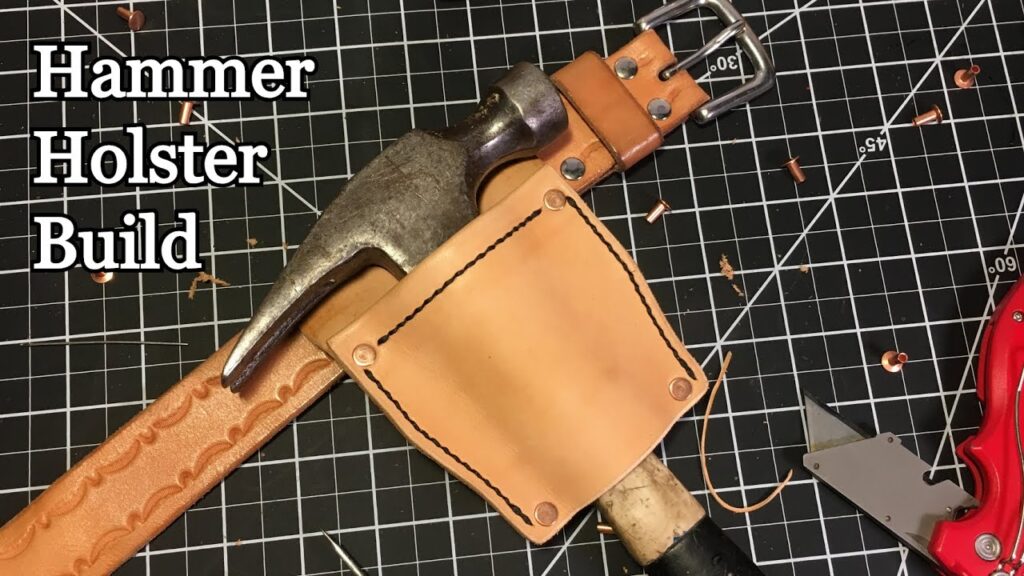
Stitching materials also matter. Strong waxed thread is commonly used to reinforce seams, especially in stress points where the hammer rests. Some makers also incorporate rivets to add extra reinforcement and visual appeal.
Tools are another vital part of the process. Sharp cutting tools help achieve clean edges, which improves both aesthetics and durability. Proper edge finishing tools are often used to smooth and seal the leather edges, giving the holder a professional look.
Punches and stitching chisels are used to ensure evenly spaced holes. This precision is essential when following a Hammer Holder leather pattern, as uneven holes can weaken the structure and reduce comfort.
Lastly, finishing products such as leather conditioners or sealants help protect the holder from moisture and wear. These finishes enhance the lifespan of the hammer holder and maintain its appearance even with frequent use.
How to Build Using a Hammer Holder Leather Pattern
Building with a Hammer Holder leather pattern begins with careful preparation. The pattern is usually traced onto the leather, ensuring accurate placement and orientation before cutting. This step sets the foundation for the entire project.
After cutting, the leather pieces are often shaped or molded slightly to accommodate the hammer handle. This shaping process improves comfort and ensures the holder retains the hammer securely during movement.
Stitching is the next crucial step. When following a Hammer Holder leather pattern, stitches should be tight and consistent. This not only strengthens the holder but also enhances its visual appeal.
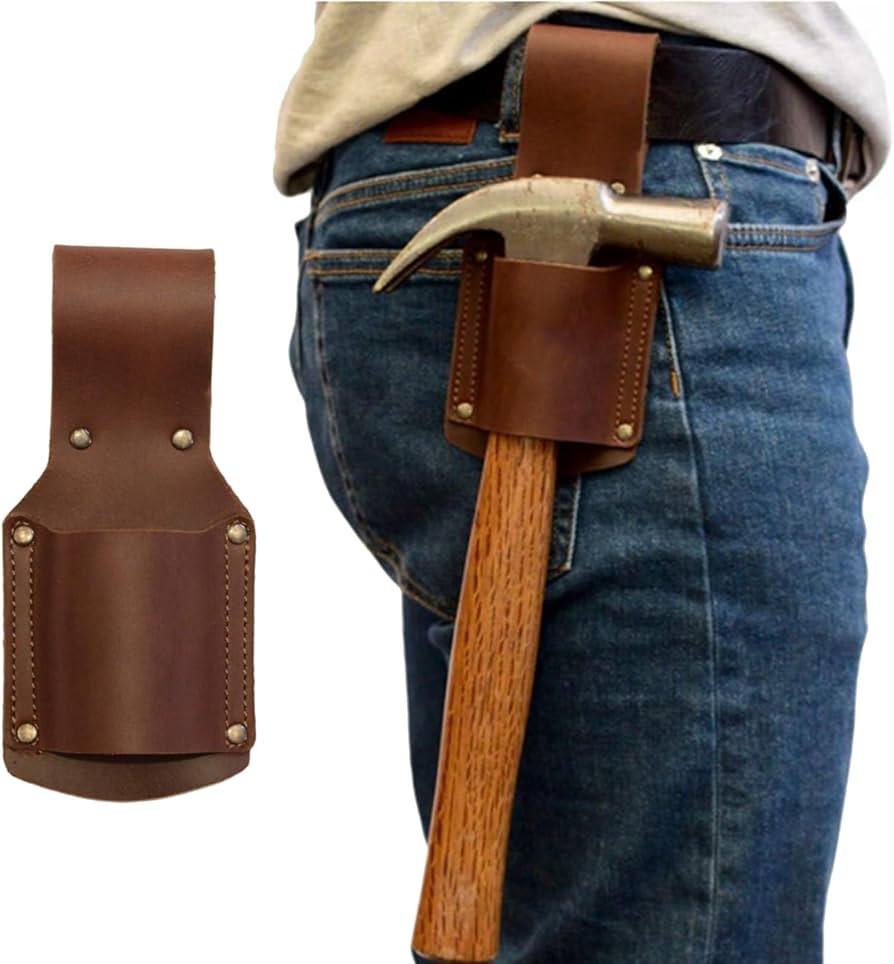
Assembly often includes attaching belt loops or clips. These components must be aligned correctly to ensure balance and stability when worn. A poorly positioned loop can cause discomfort or uneven weight distribution.
Once assembled, edge finishing becomes important. Burnishing the edges creates a smooth surface that prevents irritation and adds a polished finish to the holder made from the Hammer Holder leather pattern.
The final step involves conditioning the leather. Applying a suitable conditioner keeps the leather flexible and resistant to cracking, ensuring the hammer holder remains functional for years to come.
Customization and Practical Benefits of a Hammer Holder Leather Pattern
One of the greatest advantages of a Hammer Holder leather pattern is customization. Leatherworkers can adjust dimensions, add decorative stitching, or emboss designs to create a unique piece that reflects personal style.
Customization also extends to functionality. Some users prefer deeper holders for heavier hammers, while others want a more open design for quick access. A flexible Hammer Holder leather pattern accommodates these needs easily.
From a practical standpoint, leather hammer holders are comfortable to wear. Leather conforms to the body over time, reducing pressure points and making long workdays more manageable.
Another benefit is longevity. A well-made holder using a Hammer Holder leather pattern often outlasts fabric or synthetic alternatives. Leather’s natural resilience makes it ideal for demanding environments.
The aesthetic value should not be overlooked. Leather accessories convey professionalism and craftsmanship. A handmade holder based on a Hammer Holder leather pattern can enhance the overall look of a tool belt or workshop setup.
Finally, there is personal satisfaction. Creating something functional with your own hands brings a sense of accomplishment. Using a Hammer Holder leather pattern allows makers to combine creativity with practicality in a meaningful way.
What is a Hammer Holder leather pattern?
A Hammer Holder leather pattern is a template used to cut and assemble leather into a secure holder designed specifically for carrying a hammer safely and comfortably.
Is leather a good material for hammer holders?
Yes, leather is durable, flexible, and long-lasting, making it an excellent material when following a Hammer Holder leather pattern.
Can beginners use a Hammer Holder leather pattern?
Absolutely. Many patterns are beginner-friendly and help new leatherworkers learn basic cutting, stitching, and finishing techniques.
How long does a leather hammer holder last?
With proper care, a holder made from a Hammer Holder leather pattern can last for many years, even with regular use.
Can the pattern be adjusted for different hammer sizes?
Yes, one of the strengths of a Hammer Holder leather pattern is its adaptability to different tool sizes and personal preferences.
Does leather require special maintenance?
Leather benefits from occasional conditioning to keep it flexible and protected, which helps maintain items made using a Hammer Holder leather pattern.
The Hammer Holder leather pattern is more than just a design—it is a practical guide to creating a reliable, durable, and visually appealing tool accessory. Throughout this article, we explored what a hammer holder leather pattern is, the materials involved, how to build one, and the many benefits it offers to both professionals and hobbyists.
By understanding and applying a Hammer Holder leather pattern, you gain the ability to craft a customized, long-lasting solution that improves organization, comfort, and efficiency. Whether for daily work or personal projects, mastering this pattern is a valuable step in leathercraft and functional design.