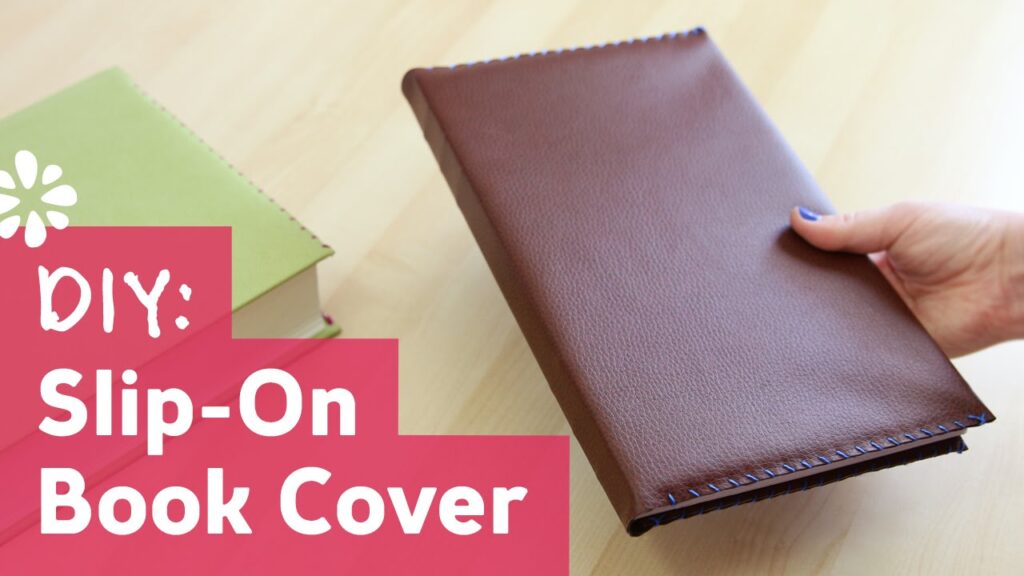
Book Cover leather pattern is more than a design choice; it represents craftsmanship, durability, and a timeless aesthetic that appeals to creators, readers, and artisans alike. From handmade journals to premium notebooks, the appeal of a well-crafted leather cover lies in its ability to combine functionality with beauty. When you explore the world of leather crafting, you quickly realize that choosing the right pattern can define the final look and feel of your project.
The growing popularity of Book Cover leather pattern designs is closely tied to the resurgence of handmade products and sustainable materials. People increasingly value personalized items that tell a story, and leather book covers provide exactly that. Whether used for sketchbooks, planners, or treasured novels, these covers protect pages while adding a sophisticated charm that ages gracefully over time.
Understanding the details behind a Book Cover leather pattern helps both beginners and experienced artisans create pieces that stand out. From selecting the type of leather to mastering the art of cutting and stitching, every step influences the final result. This article explores the essential aspects of leather book cover patterns, providing clear explanations, practical tips, and insights into how to craft beautiful, durable designs that align with modern SEO practices and reader interests.
Understanding the Basics of Book Cover Leather Pattern
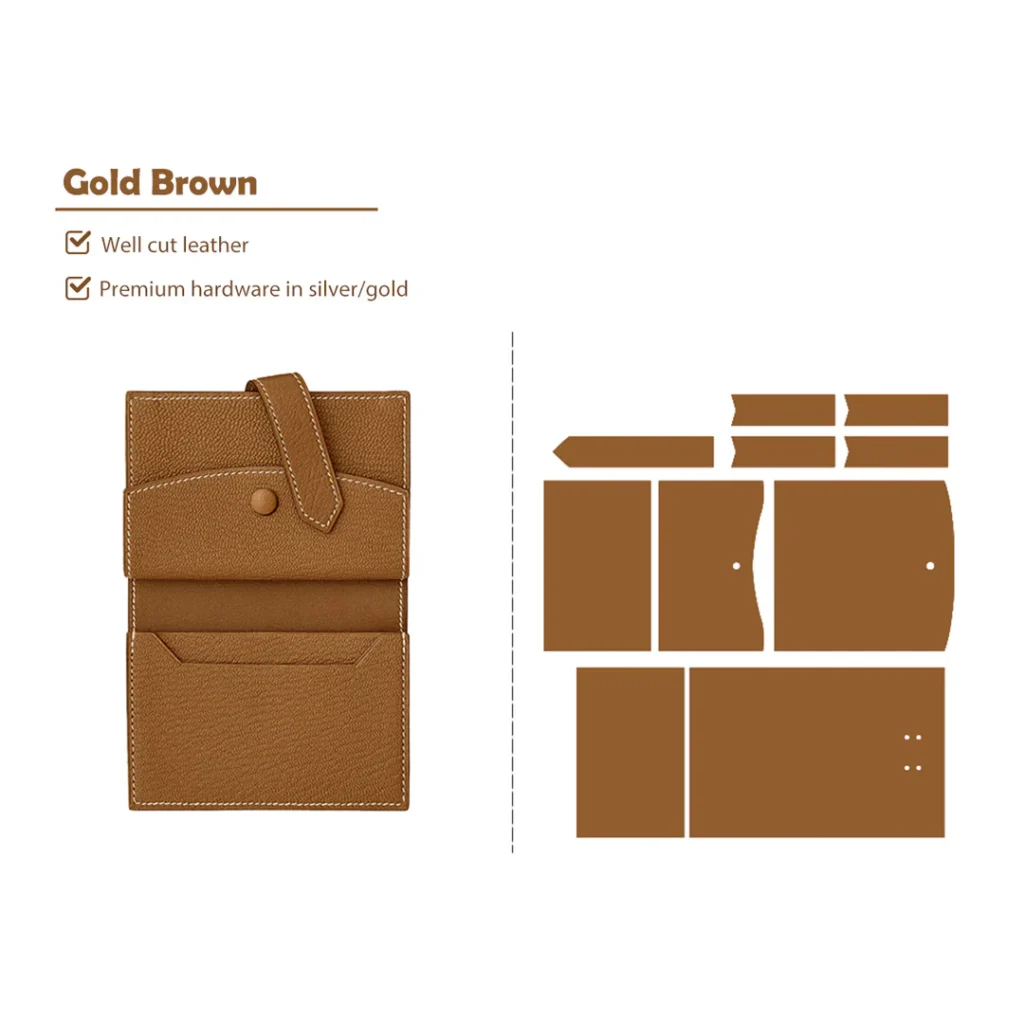
A Book Cover leather pattern refers to the template or blueprint used to cut and shape leather pieces that will form the cover of a book. These patterns ensure precision and consistency, making it easier to assemble the leather parts into a cohesive design. They often include measurements for the spine, front cover, back cover, and fold lines.
Choosing the right Book Cover leather pattern depends largely on the type of book you want to cover. Hardcover books require more structured patterns, while softcover notebooks may allow for flexible designs. Understanding the difference helps prevent mistakes and ensures the final product fits perfectly.
Leather thickness plays a critical role in pattern selection. Thicker leather provides more durability but may be harder to fold, while thinner leather offers flexibility and ease of handling. A well-designed Book Cover leather pattern considers this balance to achieve both aesthetics and usability.
Another key element is the allowance for stitching. Patterns typically include extra space along the edges for seams. This ensures that the finished cover maintains its intended dimensions after assembly. Ignoring seam allowances can result in covers that feel too tight or uneven.
Decorative elements can also be incorporated into a Book Cover leather pattern. Embossing, carving, and stamping add personality and uniqueness to each piece. These details can be planned in advance within the pattern to maintain visual harmony.
Beginners often benefit from starting with simple patterns before moving to complex designs. A basic Book Cover leather pattern builds foundational skills while allowing room for creativity. As confidence grows, artisans can experiment with advanced techniques and customized features.
Tools and Materials for Crafting Leather Book Covers
Creating a Book Cover leather pattern requires a set of essential tools that ensure precision and efficiency. Cutting tools such as rotary cutters or craft knives are necessary for clean edges. Accurate measurements are equally important, making rulers and measuring tapes indispensable.
Leather selection is a crucial step in the crafting process. Full-grain leather is often preferred for its strength and natural texture, while top-grain leather offers a smoother finish. Choosing the right type enhances the durability of your Book Cover leather pattern project.
Thread and needles specifically designed for leather are essential for stitching. Waxed thread provides strength and prevents fraying, ensuring long-lasting seams. Hand stitching, although time-consuming, adds a personal touch that machine stitching may not replicate.
Adhesives can help hold pieces together before stitching. Specialized leather glue allows artisans to position materials accurately without causing damage. This step improves alignment and makes the final assembly of a Book Cover leather pattern more manageable.
Edge finishing tools enhance the professional look of a leather cover. Burnishing tools smooth the edges, giving them a polished appearance. This finishing step elevates the overall quality and showcases attention to detail.
Safety equipment should never be overlooked. Working with sharp tools requires careful handling, and protective gear reduces the risk of injury. Maintaining a safe workspace ensures a more enjoyable crafting experience while completing your Book Cover leather pattern.
Design Techniques to Enhance Leather Book Covers
Personalization is one of the most exciting aspects of working with a Book Cover leather pattern. Custom initials, logos, or artistic motifs can be added through embossing or engraving. These elements transform a simple cover into a meaningful keepsake.
Color selection also plays a significant role in the final presentation. Natural leather tones offer a classic look, while dyed leather provides a vibrant alternative. Experimenting with color combinations can make your Book Cover leather pattern truly unique.
Texture adds depth and visual interest. Techniques such as tooling and stamping create intricate designs that catch the eye. These methods require practice but significantly enhance the artistic value of a leather book cover.
Layering leather pieces introduces dimension and contrast. By combining different textures or colors, artisans can achieve a dynamic effect. A layered Book Cover leather pattern showcases creativity and advanced craftsmanship.
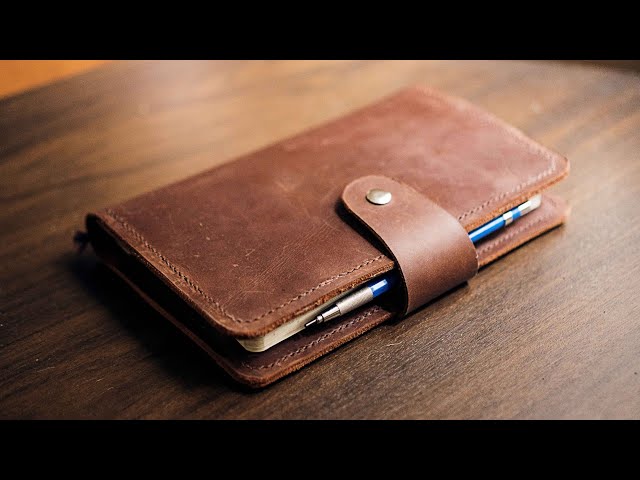
Functional features like pockets and pen holders can be incorporated into the design. These additions increase usability without compromising aesthetics. Thoughtful planning ensures that each feature integrates seamlessly into the pattern.
Balancing simplicity and detail is key to successful design. Overly complex patterns may overwhelm the viewer, while minimalist designs highlight the beauty of the leather itself. Finding the right balance results in a visually appealing Book Cover leather pattern.
Maintaining and Preserving Leather Book Covers
Proper care extends the life of any Book Cover leather pattern creation. Regular cleaning with a soft cloth removes dust and prevents buildup. Gentle maintenance keeps the leather looking fresh and vibrant over time.
Conditioning the leather is essential to prevent dryness and cracking. Specialized leather conditioners nourish the material and maintain its flexibility. Applying conditioner periodically preserves the integrity of the cover.
Storage conditions also affect longevity. Keeping leather items in a cool, dry place protects them from moisture damage. Avoiding direct sunlight prevents fading and discoloration, ensuring your Book Cover leather pattern remains attractive.
Handling leather with clean hands minimizes exposure to oils and dirt. Simple habits like these contribute to the preservation of your handcrafted items. Consistent care reflects respect for the effort invested in creating the cover.
Repairing minor damages promptly prevents further deterioration. Small scratches or loose stitches can be fixed with basic tools. Addressing issues early maintains the durability of the Book Cover leather pattern.
Over time, leather develops a patina that enhances its character. This natural aging process adds charm and uniqueness, making each piece one of a kind. Embracing this evolution is part of the joy of owning a leather book cover.
What is a Book Cover leather pattern used for
A Book Cover leather pattern is used to guide the cutting and assembly of leather pieces that form a protective and decorative cover for books, journals, or planners. It ensures accurate measurements and a professional finish.
Is leather crafting suitable for beginners
Yes, beginners can start with simple Book Cover leather pattern designs and gradually build their skills. Basic tools and practice help develop confidence and precision.
What type of leather is best for book covers
Full-grain and top-grain leather are popular choices for a Book Cover leather pattern due to their durability, texture, and visual appeal. Each offers unique benefits depending on the desired outcome.
How do I maintain a leather book cover
Regular cleaning, conditioning, and proper storage help preserve the quality of a Book Cover leather pattern. Avoid exposure to excessive moisture and direct sunlight for best results.
Can I personalize my leather book cover
Absolutely, personalization is a major advantage of using a Book Cover leather pattern. Techniques such as embossing, engraving, and dyeing allow for creative customization.
Do leather book covers last long
With proper care, a Book Cover leather pattern can last for many years. High-quality materials and good craftsmanship contribute to longevity.
Conclusion
Exploring the art of creating a Book Cover leather pattern opens the door to a rewarding blend of creativity and functionality. From understanding the basics to mastering design techniques, each step contributes to a finished product that reflects both skill and personal expression. Leather book covers remain timeless accessories that protect valuable pages while showcasing artistic craftsmanship.
By choosing the right materials, tools, and maintenance practices, anyone can create a durable and visually appealing leather book cover. The knowledge shared in this article provides a solid foundation for both beginners and experienced artisans, ensuring that every Book Cover leather pattern project results in a piece that is both practical and beautiful.