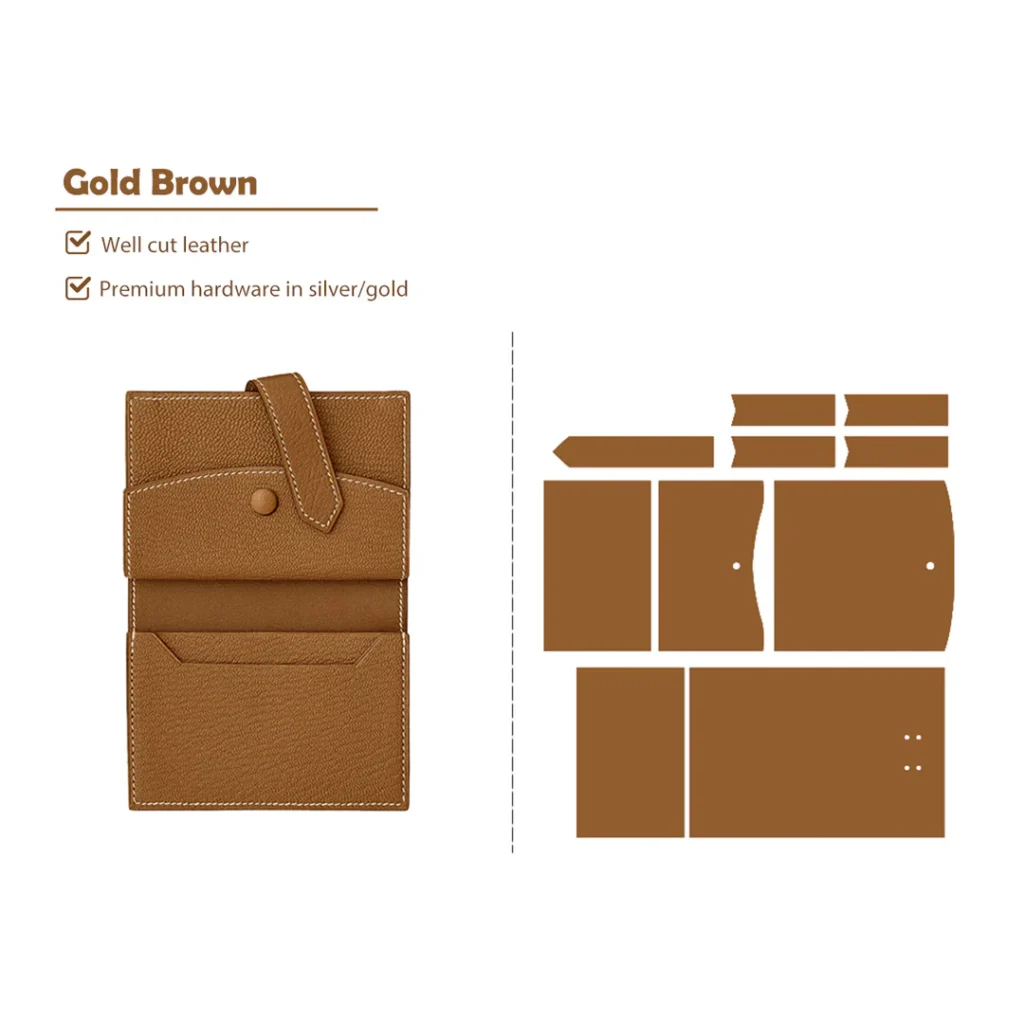
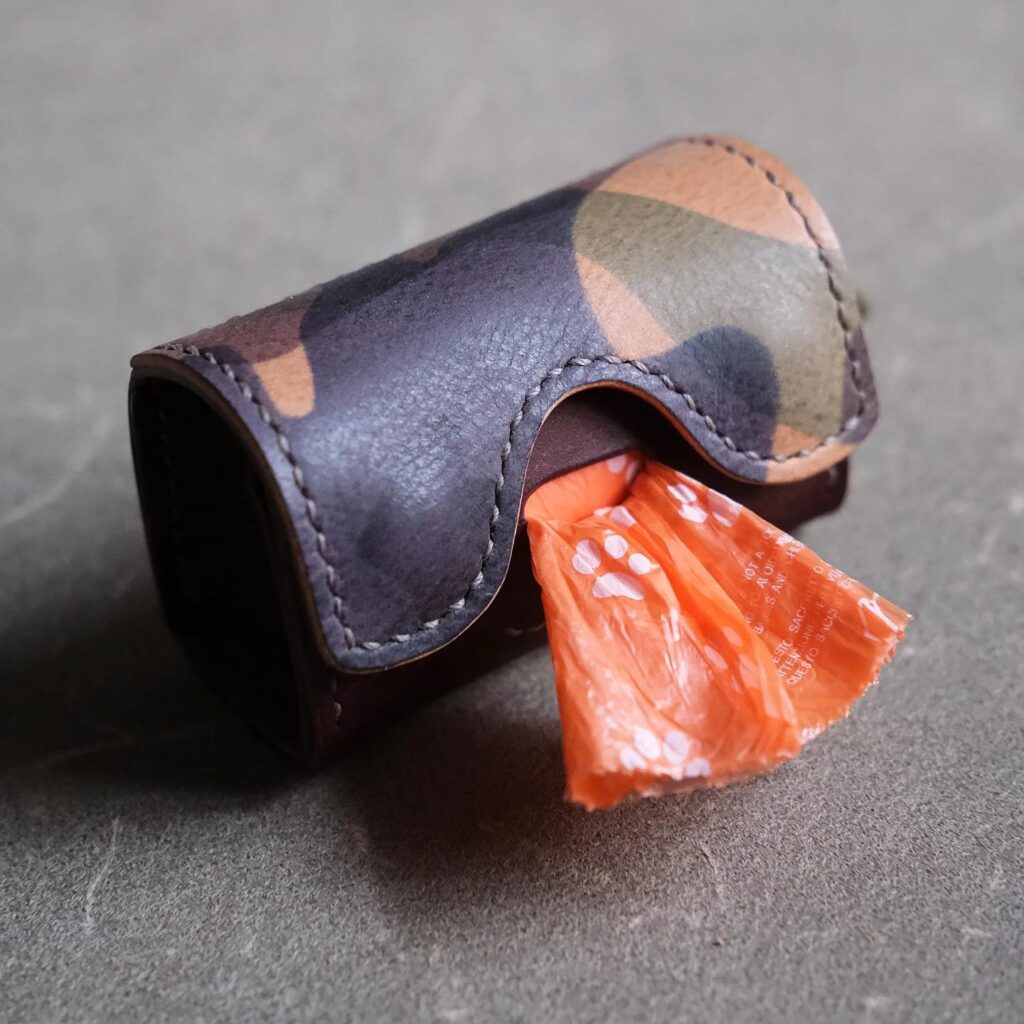
Leather poop bag leather pattern is more than just a practical accessory topic; it represents a growing niche where craftsmanship, sustainability, and pet care intersect. In recent years, pet owners have become more conscious about the accessories they use daily, seeking products that are durable, stylish, and environmentally responsible. This shift has placed handmade leather items, especially functional ones like poop bag holders, in the spotlight.
When we talk about a leather pattern, we are referring to the blueprint that guides the creation of a leather product from start to finish. A well-designed pattern ensures not only visual appeal but also functionality, comfort, and longevity. In the case of a leather poop bag leather pattern, precision is essential, as the item must be compact, easy to use, and strong enough to withstand daily handling during walks.
This article explores the concept of a leather poop bag leather pattern in depth, explaining its importance, how it is used, and why it has become so popular among leather crafters and pet lovers alike. Throughout the text, key terms will be explained clearly, helping both beginners and experienced artisans understand how to work with leather patterns effectively while aligning with best SEO and content quality practices.
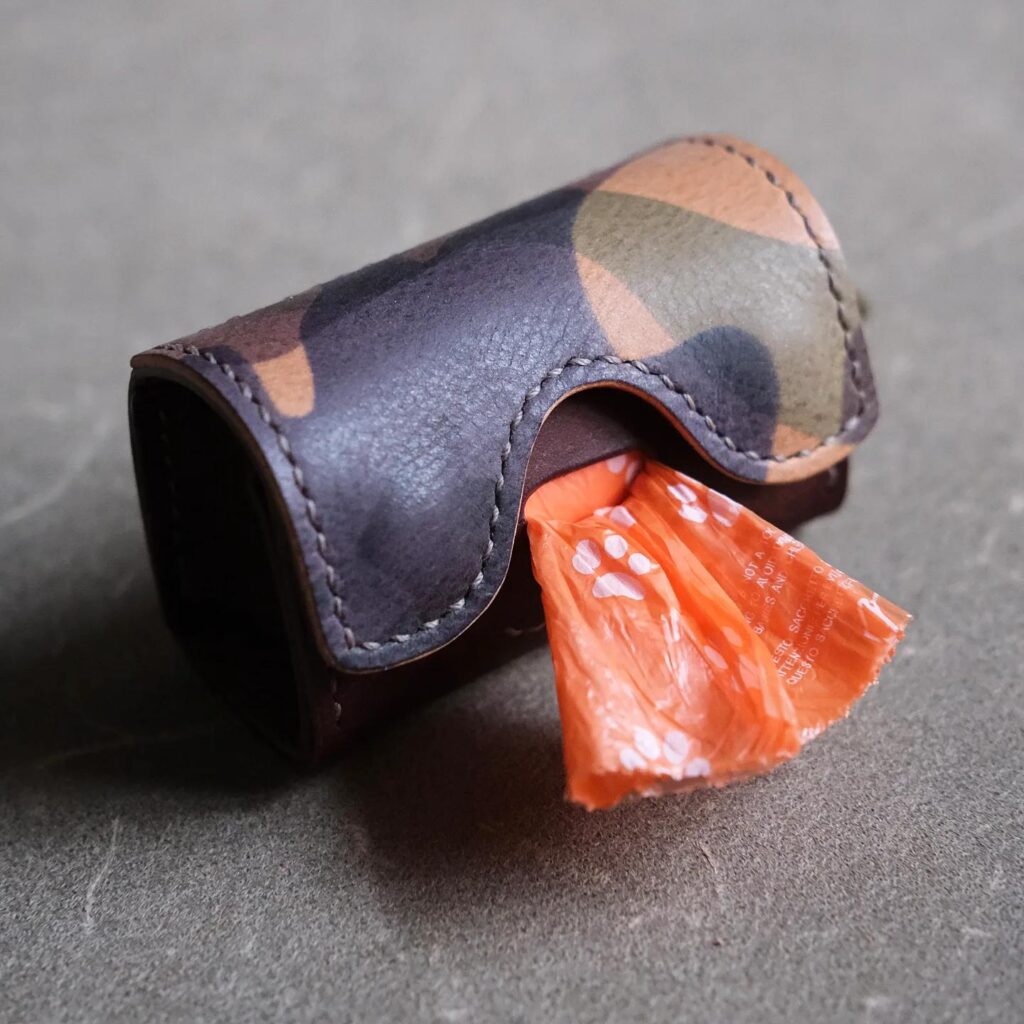
Understanding the Concept of a Leather Poop Bag Leather Pattern
A leather poop bag leather pattern is essentially a structured guide that shows how to cut, fold, and assemble leather pieces to create a poop bag holder. This pattern includes measurements, seam allowances, and design details that ensure consistency in the final product.
For leather crafters, using a reliable leather pattern saves time and reduces material waste. Instead of guessing dimensions or experimenting repeatedly, the pattern provides a tested solution that leads to professional-looking results.
From a practical standpoint, a poop bag holder made from leather must balance size and capacity. The leather poop bag leather pattern addresses this by designing compartments that fit standard poop bag rolls while remaining lightweight and discreet.
Another key aspect of this type of leather pattern is accessibility. The pattern typically includes an opening or slit that allows bags to be pulled out easily during walks, ensuring convenience for pet owners.
Durability is another reason why leather patterns are essential. A well-made leather poop bag leather pattern reinforces stress points, such as snap closures or stitched edges, increasing the lifespan of the accessory.
Finally, aesthetics play a major role. The pattern defines the overall shape and style, allowing artisans to customize the look with different leather finishes, colors, and stitching styles while maintaining a functional core design.
Materials and Tools Used with Leather Patterns
To work effectively with a leather poop bag leather pattern, choosing the right materials is crucial. Most patterns recommend vegetable-tanned or chrome-tanned leather with medium thickness to ensure flexibility and strength.
Leather thickness directly affects usability. A pattern designed for thin leather may not work well with thicker hides, so matching the leather pattern specifications with the correct material is essential for success.
In addition to leather, tools such as rotary cutters, stitching chisels, needles, and waxed thread are commonly required. These tools help translate the leather poop bag leather pattern into a clean and precise finished product.
Adhesives and edge-finishing products also play an important role. Contact cement is often used to hold pieces together before stitching, ensuring alignment according to the leather pattern.
Hardware elements like snaps, rivets, or D-rings are frequently included in poop bag holders. A good leather poop bag leather pattern clearly indicates where these components should be placed.
By following the material and tool recommendations of a pattern, crafters can avoid common mistakes and achieve consistent, high-quality results that appeal to modern pet owners.
Step-by-Step Process of Using a Leather Poop Bag Leather Pattern
The first step in using a leather poop bag leather pattern is transferring the pattern onto the leather. This is usually done with tracing tools or scratch awls to ensure accuracy without damaging the material.
Once transferred, the leather pieces are carefully cut along the traced lines. Precision at this stage ensures that all components fit together seamlessly, as intended by the leather pattern.
The next stage involves preparing stitching holes. Many patterns specify stitch spacing, helping maintain uniform seams throughout the product. This step is vital for both strength and appearance.
Assembly follows, where pieces are glued and stitched together according to the leather poop bag leather pattern instructions. This structured approach minimizes errors and ensures proper alignment.
After assembly, edge finishing is performed. Sanding, burnishing, and sealing edges not only enhance aesthetics but also improve durability, reinforcing the value of a well-designed leather pattern.
Finally, hardware is installed, and the product is inspected. At this stage, the finished poop bag holder reflects the quality of the original leather poop bag leather pattern and the craftsmanship applied during production.
Benefits of Using a Leather Pattern for Pet Accessories
One of the main benefits of using a leather poop bag leather pattern is consistency. Whether producing one item or multiple units, the pattern ensures uniformity in size, shape, and function.
Patterns also support efficiency. By following a predefined leather pattern, crafters can streamline their workflow and reduce trial-and-error, saving time and materials.
For beginners, patterns offer guidance and confidence. A clear leather poop bag leather pattern simplifies complex steps, making leather crafting more accessible to newcomers.
From a business perspective, using standardized patterns helps maintain product quality. Customers appreciate reliable accessories that meet expectations, especially when it comes to everyday pet items.
Sustainability is another advantage. Leather products created with accurate patterns generate less waste, aligning with eco-conscious values increasingly important in today’s market.
Lastly, creative freedom remains intact. While the leather pattern defines structure, artisans can personalize designs through color choices, embossing, or decorative stitching, making each piece unique.
What is a leather poop bag leather pattern?
A leather poop bag leather pattern is a template that guides the creation of a leather poop bag holder, including measurements, cuts, and assembly instructions.
Is a leather poop bag holder practical for daily use?
Yes, when made using a proper leather pattern, it is durable, easy to use, and designed for everyday walks with pets.
What type of leather works best with these patterns?
Most leather poop bag leather patterns work best with medium-weight leather that balances flexibility and strength.
Are leather patterns suitable for beginners?
Absolutely. A clear leather pattern provides step-by-step guidance, making it suitable for beginners learning leather crafting.
Can I customize a leather poop bag holder?
Yes, the leather poop bag leather pattern defines structure, but colors, finishes, and decorative elements can be customized.
Why choose leather over other materials?
Leather offers durability, a premium look, and long-term value, especially when crafted using a reliable leather pattern.
Conclusion
In this article, we explored the concept of a leather poop bag leather pattern, explaining its purpose, materials, process, and benefits. We learned how a structured leather pattern transforms raw leather into a functional and stylish pet accessory.
By understanding and applying a leather poop bag leather pattern, crafters and pet lovers alike can create durable, sustainable, and visually appealing products. This approach not only improves craftsmanship but also enhances everyday pet care with thoughtful design and quality materials.