Scrap Leather Craft Projects Leather Pattern is a creative and sustainable approach to leatherworking that transforms leftover leather pieces into functional and decorative items. From small accessories to artistic designs, Scrap Leather Craft Projects Leather Pattern allows crafters to reduce waste while exploring new techniques and styles. This practice has grown in popularity among artisans, hobbyists, and small business owners who want to combine craftsmanship with environmental responsibility.
Working with Scrap Leather Craft Projects Leather Pattern is not only cost-effective but also highly rewarding. Instead of discarding irregular or small leather pieces, makers can turn them into valuable products that showcase texture, color variation, and originality. Each project becomes unique, adding personality and authenticity that mass-produced items often lack.
In the world of handmade crafts, Scrap Leather Craft Projects Leather Pattern stands out as a versatile method suitable for beginners and experienced leatherworkers alike. With basic tools, creativity, and thoughtful pattern planning, scraps can be repurposed into durable, stylish, and marketable creations that align with modern DIY and sustainable living trends.
Understanding Scrap Leather Craft Projects Leather Pattern
Scrap Leather Craft Projects Leather Pattern refers to the structured use of leftover leather pieces combined with adaptable patterns designed specifically for irregular shapes. Unlike traditional leather patterns that rely on large, uniform hides, these patterns are flexible and customizable.
The core idea behind Scrap Leather Craft Projects Leather Pattern is efficiency. Every small piece of leather has potential value, whether it becomes part of a patchwork design or a standalone accessory. This mindset encourages mindful crafting and material awareness.
Another key aspect of Scrap Leather Craft Projects Leather Pattern is adaptability. Patterns can be resized, rotated, or combined to fit available scraps, making each project highly personalized. This flexibility helps artisans develop problem-solving skills.
Crafters who embrace Scrap Leather Craft Projects Leather Pattern often discover new textures and color combinations. Mixing different leather types—smooth, pebbled, or distressed—adds visual interest and depth to the final product.
From a learning perspective, Scrap Leather Craft Projects Leather Pattern is ideal for practice. Beginners can experiment without fear of wasting expensive materials, while advanced makers can test innovative designs.
Overall, Scrap Leather Craft Projects Leather Pattern represents a creative philosophy that values resourcefulness, originality, and craftsmanship, making it an essential concept in modern leatherworking.
Popular Scrap Leather Craft Projects Leather Pattern Ideas
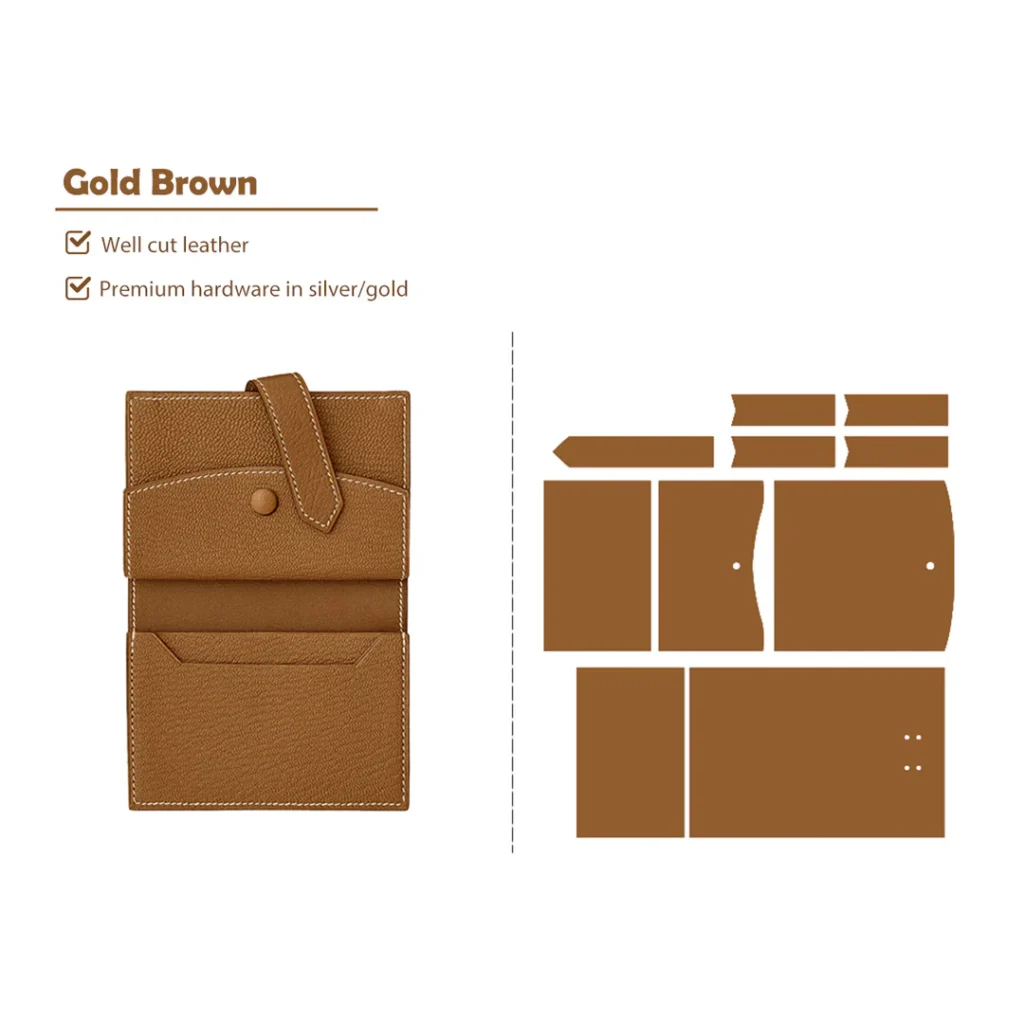
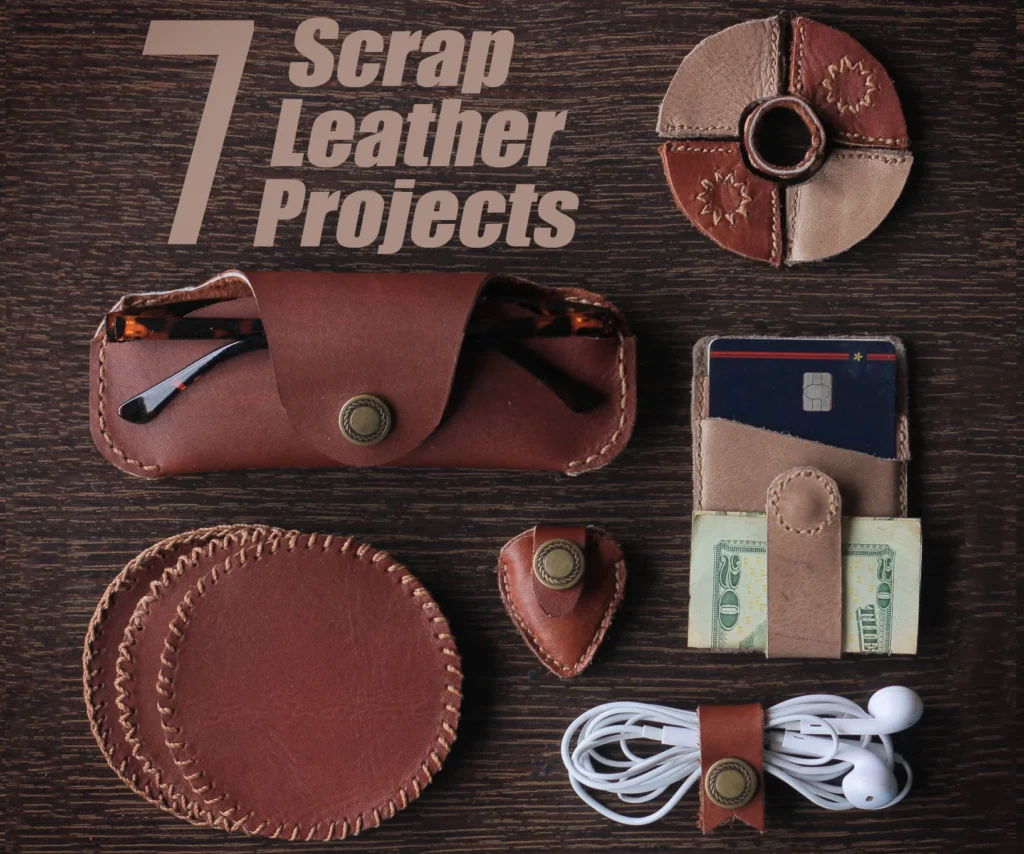
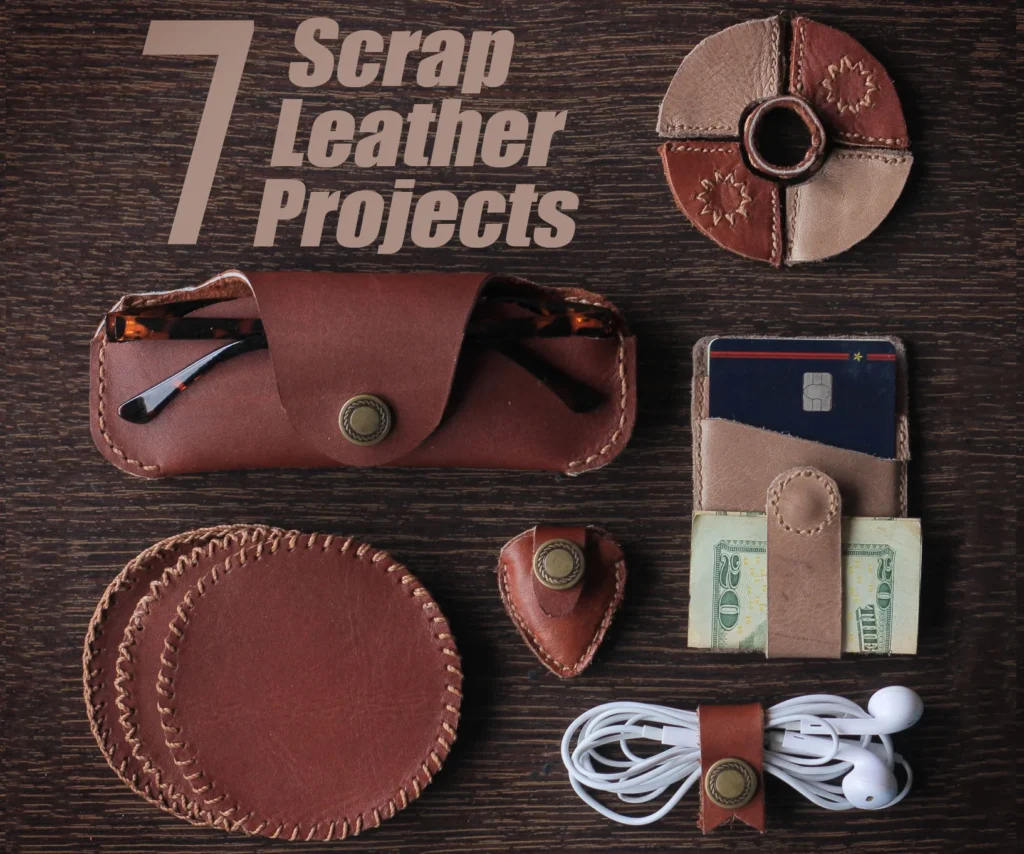
One of the most common uses of Scrap Leather Craft Projects Leather Pattern is creating small accessories such as keychains, card holders, and bookmarks. These items require minimal material and are perfect for leftover pieces.
Another popular application of Scrap Leather Craft Projects Leather Pattern is patchwork wallets and pouches. By stitching multiple scraps together, crafters can create eye-catching designs that highlight contrast and texture.
Jewelry-making also benefits from Scrap Leather Craft Projects Leather Pattern. Earrings, bracelets, and necklaces made from leather scraps are lightweight, stylish, and highly customizable.
Home décor items are another creative avenue for Scrap Leather Craft Projects Leather Pattern. Coasters, cable organizers, and decorative wall pieces can all be made using small leather remnants.
For fashion enthusiasts, Scrap Leather Craft Projects Leather Pattern can be used to craft bag accents, zipper pulls, or even entire handbags composed of patchwork leather.
These project ideas demonstrate how Scrap Leather Craft Projects Leather Pattern can transform what was once waste into functional, beautiful, and often sellable handmade products.
Benefits of Using Scrap Leather Craft Projects Leather Pattern
One of the biggest advantages of Scrap Leather Craft Projects Leather Pattern is sustainability. Repurposing scraps reduces landfill waste and supports eco-conscious crafting practices.
Cost efficiency is another major benefit of Scrap Leather Craft Projects Leather Pattern. Leather can be expensive, and using leftovers maximizes the value of every purchase.
Creatively, Scrap Leather Craft Projects Leather Pattern pushes artisans to think outside the box. Working with limited shapes and sizes fosters innovation and originality.
Skill development is closely tied to Scrap Leather Craft Projects Leather Pattern. Crafters improve cutting accuracy, stitching techniques, and pattern adaptation through hands-on experimentation.
From a business perspective, Scrap Leather Craft Projects Leather Pattern allows makers to offer unique products with strong storytelling appeal. Customers often appreciate items made from reclaimed materials.
In essence, Scrap Leather Craft Projects Leather Pattern combines environmental responsibility, economic sense, and artistic freedom into one powerful crafting approach.
Tips for Mastering Scrap Leather Craft Projects Leather Pattern
To succeed with Scrap Leather Craft Projects Leather Pattern, organization is essential. Sorting scraps by size, thickness, and color makes pattern planning much easier.
Choosing the right tools enhances Scrap Leather Craft Projects Leather Pattern results. Sharp cutting tools, quality needles, and strong thread ensure clean and durable finishes.
When working with Scrap Leather Craft Projects Leather Pattern, simplicity often leads to better outcomes. Start with basic designs before moving on to complex constructions.
Stitching techniques play a vital role in Scrap Leather Craft Projects Leather Pattern. Hand stitching allows more control over irregular edges and improves overall durability.
Testing patterns on paper before cutting leather is a smart habit when using Scrap Leather Craft Projects Leather Pattern. This step reduces mistakes and material loss.
Finally, patience and creativity are key. Scrap Leather Craft Projects Leather Pattern is about embracing imperfections and turning them into defining design features.
What is Scrap Leather Craft Projects Leather Pattern?
It is a leatherworking approach that uses leftover leather pieces combined with adaptable patterns to create functional and decorative items.
Is Scrap Leather Craft Projects Leather Pattern suitable for beginners?
Yes, beginners benefit greatly because it allows practice without wasting large or expensive leather hides.
What types of products can be made with Scrap Leather Craft Projects Leather Pattern?
Common products include wallets, keychains, jewelry, home décor items, and small accessories.
Does Scrap Leather Craft Projects Leather Pattern require special tools?
Basic leatherworking tools are sufficient, though sharp cutting tools and strong thread are highly recommended.
Can Scrap Leather Craft Projects Leather Pattern be used for selling handmade items?
Absolutely. Many customers value sustainable, one-of-a-kind products made from reclaimed materials.
How do I choose the right leather scraps for a project?
Select scraps based on thickness, flexibility, and color compatibility with your intended design.
Scrap Leather Craft Projects Leather Pattern is more than a crafting technique—it is a mindset that values sustainability, creativity, and thoughtful design. By repurposing leather scraps, artisans can reduce waste while producing items that are both practical and visually appealing.
Throughout this article, we explored how Scrap Leather Craft Projects Leather Pattern works, its benefits, popular project ideas, and practical tips for mastering the process. Whether you are a beginner experimenting with leather for the first time or an experienced maker seeking new inspiration, this approach offers endless creative possibilities.
By embracing Scrap Leather Craft Projects Leather Pattern, you not only enhance your craftsmanship but also contribute to a more sustainable and meaningful handmade culture.