Introduction
Velcro fasteners are widely used in sewing, leather crafting, industrial design, and functional DIY projects. While many people treat Velcro as a simple closure solution, the reality is far more complex. Choosing the wrong type of Velcro can lead to weak fastening, premature wear, noise issues, or complete project failure.
This technical guide explains the main types of Velcro, how they differ in strength, durability, and performance, and how to select the correct option for each application. Whether you work with fabric, leather, accessories, or functional gear, understanding these differences is essential for producing reliable, professional-quality results.
Understanding How Velcro Works
Velcro is a hook-and-loop fastening system composed of two parts:
- Hook side: small, stiff hooks
- Loop side: soft, fuzzy loops
When pressed together, the hooks catch the loops, creating a temporary but secure bond. The performance of this bond depends on several technical factors:
- Hook shape and density
- Loop height and softness
- Base material (nylon, polyester, molded plastic)
- Adhesive or sewing method
- Surface area under load
Because these variables change between products, not all Velcro performs the same, even if it looks similar.
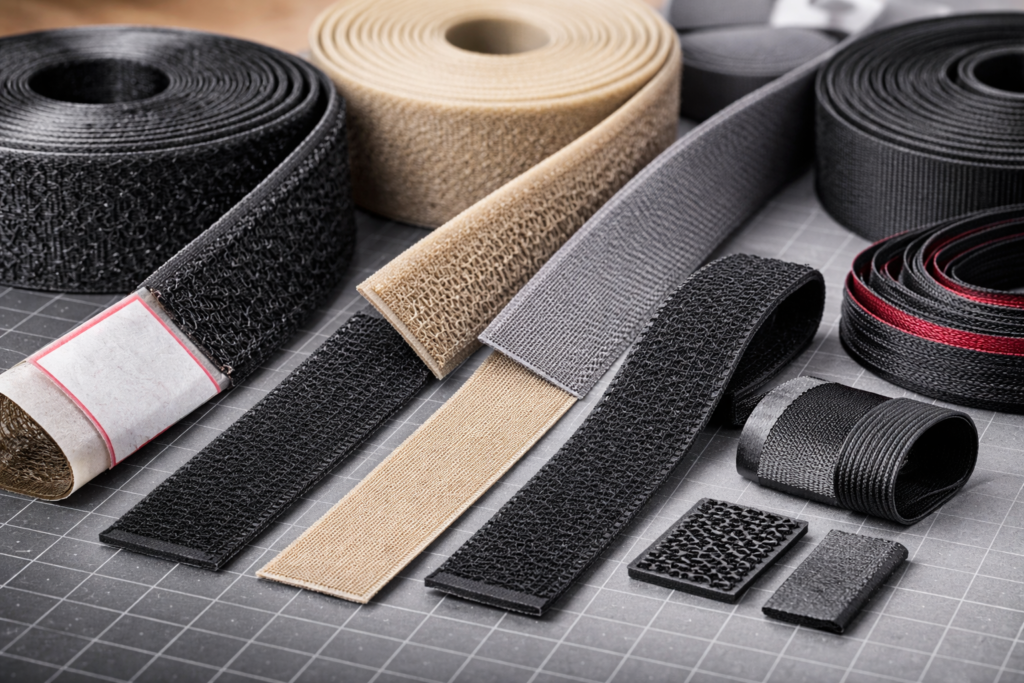
Main Types of Velcro Fasteners
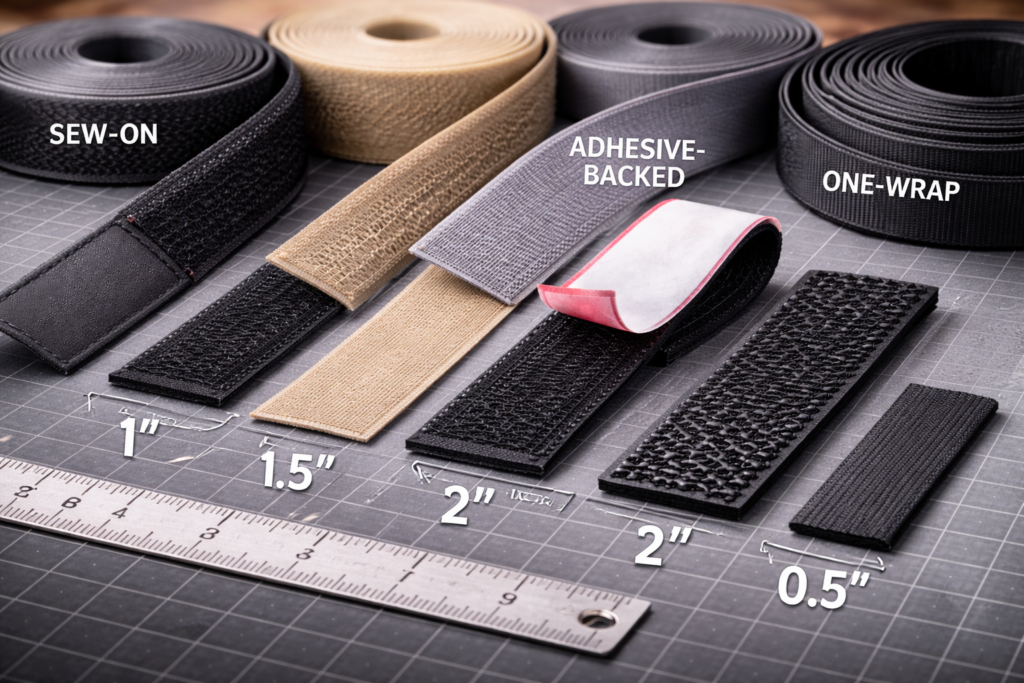
1. Sew-On Velcro
Material: Nylon or polyester
Attachment method: Stitching
Sew-on Velcro is the most common type used in sewing and crafting. It is designed without adhesive backing and must be stitched directly onto fabric or leather.
Technical characteristics:
- High resistance to washing and heat
- Excellent flexibility
- Strong shear resistance when sewn correctly
Best applications:
- Clothing
- Bags and pouches
- Fabric organizers
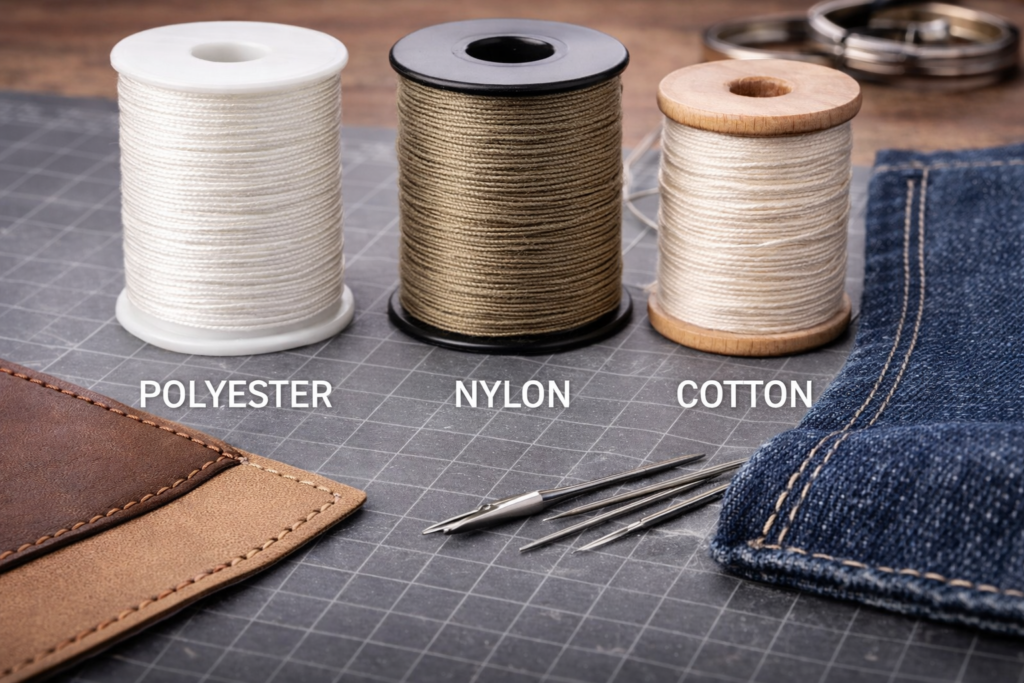
- Leather accessories (with proper needle and thread)
Limitations:
- Installation requires sewing skill
- Stitch quality directly affects strength
2. Adhesive-Backed Velcro
Material: Nylon or polyester with pressure-sensitive adhesive
Attachment method: Peel-and-stick
This type includes a strong adhesive layer on the back, allowing attachment without sewing.
Technical characteristics:
- Fast installation
- Good initial bond on smooth surfaces
- Weak performance on textured or porous materials
Best applications:
- Plastic
- Metal
- Glass
- Temporary installations
Limitations:
- Adhesive degrades with heat and humidity
- Not reliable for fabric or leather
- Poor long-term durability under load
3. Industrial-Strength Velcro
Material: Reinforced nylon with aggressive hook profile
Attachment method: Adhesive or sewing
Industrial Velcro is engineered for high-load applications and repeated use.
Technical characteristics:
- Very high peel and shear strength
- Thick hook profile
- Long lifespan under stress
Best applications:
- Tool organizers
- Heavy bags
- Automotive accessories
- Workshop and garage systems
Limitations:
- Stiffer and less flexible
- Can damage delicate fabrics
- Louder separation noise
4. Low-Profile Velcro
Material: Thin nylon
Attachment method: Sewing or adhesive
Low-profile Velcro is designed for minimal bulk and clean finishes.
Technical characteristics:
- Thin construction
- Lower holding strength
- Reduced noise
Best applications:
- Lightweight garments
- Slim pouches
- Wallets
- Electronics cases
Limitations:
- Not suitable for heavy loads
- Reduced durability under frequent use
5. One-Wrap Velcro
Material: Dual-sided hook and loop on the same strip
Attachment method: Wrapping
One-Wrap Velcro combines hook and loop on opposite sides of the same strip.
Technical characteristics:
- Reusable
- No alignment required
- Moderate holding strength
Best applications:
- Cable management
- Straps
- Adjustable organizers
Limitations:
- Not suitable for flat panel closures
- Lower load capacity
6. Molded Plastic Velcro
Material: Injection-molded plastic hooks
Attachment method: Sewing or adhesive base
This type uses rigid molded hooks instead of woven nylon hooks.
Technical characteristics:
- Extremely durable
- Consistent hook shape
- Resistant to debris and moisture
Best applications:
- Outdoor gear
- Industrial environments
- High-cycle fastening systems
Limitations:
- Rough texture
- Not suitable for soft fabrics
- Higher cost
Strength Comparison: What Really Matters
Velcro strength is often misunderstood. It is measured in two key ways:
Peel Strength
Resistance when pulled apart from an edge.
Shear Strength
Resistance when force is applied parallel to the surface.
| Velcro Type | Peel Strength | Shear Strength | Durability |
|---|---|---|---|
| Sew-On | Medium | High | High |
| Adhesive | Low | Medium | Low |
| Industrial | High | Very High | Very High |
| Low-Profile | Low | Low | Medium |
| One-Wrap | Medium | Medium | Medium |
| Molded Plastic | High | High | Very High |
For functional projects, shear strength is usually more important than peel strength.
Choosing the Right Velcro for Each Project
Fabric Projects
✔ Sew-on Velcro
✔ Low-profile for lightweight garments
Leather Crafting
✔ Sew-on Velcro with reinforced stitching
✔ Industrial Velcro for load-bearing closures
Technical Gear
✔ Molded plastic Velcro
✔ Industrial-strength Velcro
Temporary or Smooth Surfaces
✔ Adhesive-backed Velcro (with surface prep)
Common Mistakes That Reduce Performance
- Using adhesive Velcro on fabric
- Stitching too close to the edge
- Ignoring load direction
- Mixing incompatible hook and loop types
- Using low-profile Velcro for heavy items
These mistakes cause early failure and poor user experience.
Best Practices for Professional Results
- Always test Velcro under real load conditions
- Reinforce stitch lines on stress points
- Match Velcro width to load requirements
- Use wider strips instead of longer strips when possible
- Clean surfaces thoroughly before adhesive installation
Conclusion
Velcro is not a one-size-fits-all solution. Each type offers different strengths, durability levels, and performance characteristics. Understanding these technical differences allows you to select the right Velcro for each project, resulting in stronger closures, longer lifespan, and a more professional finish.
For makers who value quality and reliability, choosing the correct Velcro is not optional — it is essential.